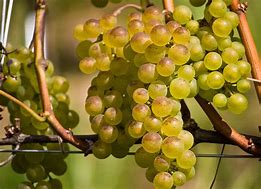
There are so many other White Wines, thousands in fact. Below is a shorter list you may want to work through. Check out my reviews and you’ll find most, if not all, in the course of the coming year.
Pinot Grigio: Grown in Italy (lighter and more acidic), Alsace (bolder and spicier) and California (stylistically in the middle), originally a French grape called Pinot Gris, transplanted and grown with incredible success in Italy.
Viognier: Grown in France (Rhône Valley), Australia (Yalumba Winery) and more recently finding success in California (Cline, Fess Parker & Joseph Phelps) leaning to the full-bodied with a soft, lush style.
Gruner Veltliner: known as Austria’s national grape. The best is considered to come from Wachau, Kremstal, and Kamptal regions in north eastern Austria. Characterized by crisp clean mouthfeel and green apple. tropical fruits with spicy and nutty notes.
Semillon: Well known in Bordeaux where it’s blended with Sauvignon Blanc, single varietal offerings excel from Hunter Valley, NSW and Barossa in Sth Australia with apple, almond, pear, honeyed melon and range from dry to subtle sweetness. Ages well.
Garganega: Italian grape from the Veneto region in Northeastern Italy known for putting Italy’s crisp clean Soave wines on the map.
Marsanne and Rousanne: Two Rhône Valley varietals that have awesome appeal as blending grapes adding nuances of floral and herbal tea to both nose and palate.
Arnise and Cortese (Gavi): Two grape varietals from Piedmont, northeastern Italy that are crisp clean refreshing wines with depth, complexity and appeal.
Other grape varietals you should explore, if you haven’t already: Chenin Blanc, Torrontes, Grenache Blanc, Tempernillo Blanc, Gewurztraminer, Pinot Blanc, Albarino, Muscat, Silvaner
White wine is fun, it’s cool and refreshing and screams summer, Of course white wines can be drunk all year round.
The interesting thing about grapes is the transition grapes go through from start to finish. White grapes in their early stage of growth can taste like tart green apples and not much else, but give them a few months to harvest time and wonderful flavors of citrus, tropical fruits such as pineapple, banana, coconut as well as pear, peach, kiwi and quince develop.
The three main white grape varieties that nearly all white wine is made from are:
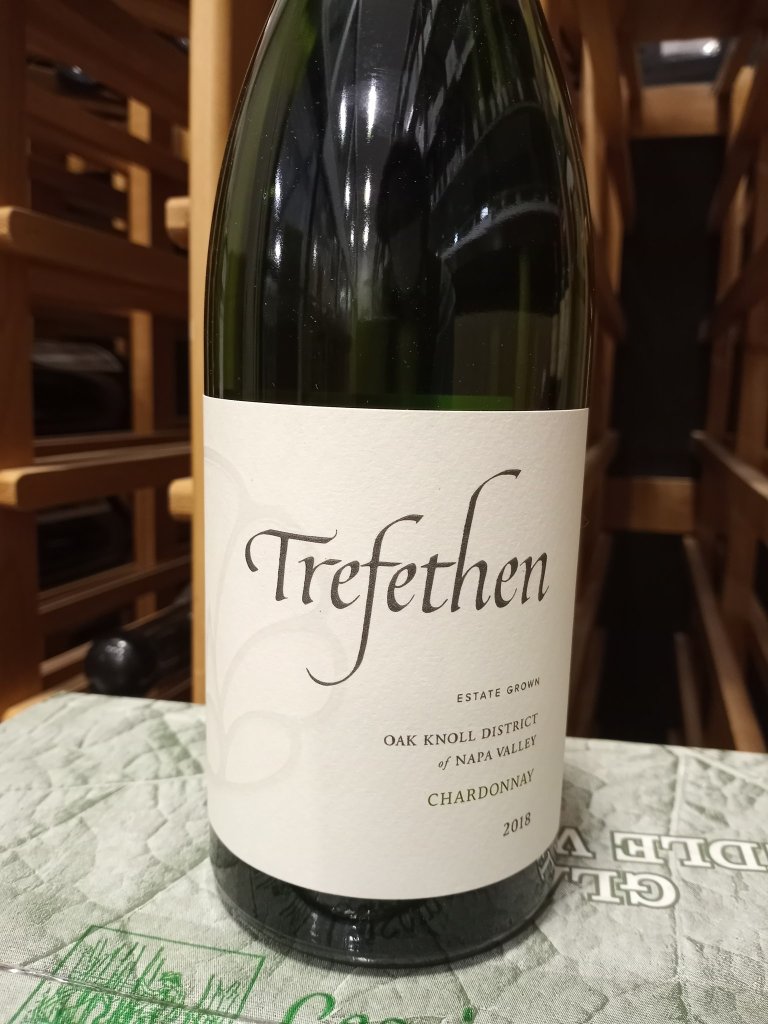
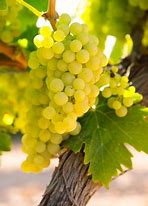
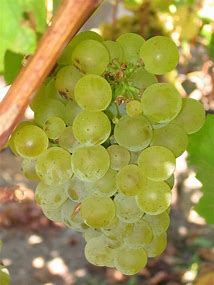
Chardonnay: is the most popular white wine today with the US leading the way in the plantings / production race followed by France and Australia. See photo above.
US Chardonnay can be lean and elegant but trends tend to favor the oaky buttery style that is typical of a lot of California releases. French releases from the Burgundy region range from rich and complex to light and crisp on the more affordable end. Australian releases on the whole are more French in style than say California and can range from rich complex wines to more elegant and restrained with Margaret River, Barossa, Tasmania and Regional New South Wales produce some of the best.
Food Pairings: include Seafood, Shellfish and Chicken Dishes and Popcorn.
Price: this can run the gamut from $15 to $150 or more.
Sauvignon Blanc: the main regions are Loire Valley (Sancerre and Pouilly-Fumé) and Bordeaux (where it is blended with Semillon) New Zealand with some fine examples from California and Australia. Loire and Bordeaux offerings are characterized by green fruits of citrus, apples, pears and gooseberries with notes of flint and smoky minerality. New Zealand counterparts have a core of grapefruit with lychee, passionfruit, fresh cut grass and tropical flavors and are more fruit forward but with a crisp refreshing character. Mondavi’s “Fume Blanc” (its original name) and Heritance’s offerings are impressive whilst Groom Winery (Adelaide Hills) and numerous Margaret River Wineries keep Australia in the race.
Food Pairings: include seafood, poultry, salads, asparagus and goat cheese.
Price: NZ offers reasonable prices from $10 – $25 while up to $50.
Riesling: Germany, Alsace, Washington State and Australia all grow impressive Riesling, sourcing sweeter offerings from Germany, Alsace and Washington State and bone-dry offerings from Clare and Eden Valley’s in South Australia. Germany Rieslings fall into three categories from dryer to sweetest: Kabinett, Spätlese and Auslese and are beautifully balanced and can often cellar out 30 – 40 years or more. Flavor profiles range from citrus, tangerine, tropical fruits through to dry offerings from Sth Australia dominated by citrus, lemon and key lime pie- will cellar out to 15 years.
Food Pairings: Seafood, Chicken. Remember, the spicier the food, the sweeter the wine.
to write a series of articles to introduce you to the world of wine, all the nuances of different varietals, how to choose glassware, storage, cellaring and of course food pairing so keep an eye out for that in the coming weeks. Hope you find them informative and fun to read.
Viognier is a delicious aromatic grape that varies in profile from region to region. It is a lost step child in the family, that barely registered in the radar 50 years ago. Its origins point back to Northern Rhone but there is some additional evidence that Croatia may be its birthplace- this is also the birth place of Syrah/Shiraz and Zinfandel so it’s not that unlikely to consider this plausible. In 2004, DNA profiling conducted at University of California, Davis showed the grape to be closely related to the Piedmont grape Freisa, and to be a genetic cousin of Nebbiolo. Source: www.wikiapedia.net adding yet another potential chapter in its history.
Today, Viognier is grown all over the world and is best suited to regions with plenty of sun and cooler nights and close to a body of water- to maintain its natural acidity. All the rest is influenced by where it’s grown, when its picked and the choice to oak or not to oak-distinguishing the two main styles. Oak gives it a richer creamier mouthfeel with spices and vanilla in the mix, no oak enhances the floral tropical aspects of both the nose and the palate. It also requires a longer warmer growing season to ripen fully and with traditionally lower yields it can be a challenge.
In France, it is the only white grape permitted to be used for Condrieu (Rhône Valley) wines where it is produced as a single varietal or added into Syrah, to add a more floral aromatic to the wine and to stabilize the color. It is also made into a dessert wine here with a unique way of ‘picking’ the over ripe grapes known as à l’assiette- a plate is held under the vines which are then shaken allowing them to fall onto the plate and collected. This is a common method used in South Australia for olives using a sheet!
Three classic examples from France, Australia and California …
“La Combe Pilate (pronounced “La kohm pē-lot”) is 100% Viognier from a hillside vineyard on Michel Chapoutier’s property where Michel pushes the boundaries on the biodynamic concept with his experimental range called “The Alchemy Wines”. The symbol on La Combe Pilate’s label is the alchemic symbol for spirit and is inked to Chapoutier’s biodynamic philosophy – to respect and transform the raw material into a high-quality product while showcasing the spirit of the land.” Source: www.terlato-mchapoutier.com
This is crisp and fresh with a deceptively generous mouthfeel creating some tension giving way to instant appeal. The nose is all Viognier and delicately framed with citrus, peach and subtle floral notes are enticing, to say the least. The palate is all citrus and peach and subtle secondary notes of almond, spices, apricot and white stone fruits with wonderful balance and acidity. This really is an impressive wine and worthy of any dinner table. Winemaker suggests pairing it with Sautéed prawn brochettes with spices, trout tartare with crispy vegetables (radishes, carrots, cucumbers) and tapas of sautéed squid with green olive tapenade. WS – 91pt.
Yalumba Eden Valley Viognier 2017- Australia
From the first sip this is an immediately impressive wine. It’s part of the new Samuel’s Collection of wines dedicated to Samuel Smith, the original owned and founder of Yalumba 170 years ago. This wine is a culmination of his dream celebrating his spirit of provenance, working the land and being a good steward for future generations. Once you taste this you’ll agree, Thank you Samuel Smith!
An enticing combination of fresh apricot, ginger and white flowers beg you to take a sip. The creaminess on the palate is the first thing you notice but it’s the rich depth and complexity that will cause you to want to savor the moment. The palate is long and rich and an almost seamless blend of stone fruits, honey flavors with just a hint of orange and spices on the finish. Impressive freshness and complexity now but give it a few years and wow! Be ready to have your patience rewarded. Decanter- 95pt.
Vina Robles Viognier 2018- California.
Sourced from their Huerhuero Vineyard planted at the highest point on the Estate- warm during the day and cooled by Pacific breezes in the afternoon. Ideal growing conditions for Viognier and only seeing stainless steel, this is a really nice varietally correct example from Paso Robles and rounding out our Viognier travels around the world. Throw in Certified Sustainable and all Estate grown fruit and you have a total package.
Fresh clean nose of floral and tropical fruits is a delightful prelude to mouthfuls peach, tangerine peel, citrus with secondary notes of ginger, honey and almond on a long finish. Like the other examples, this has a lively freshness and focused balance. Definitely one to pour at the party this summer. Intended to be drunk fresh in the first few years. Because of the aromatic nose and the beautiful balance, this is ideally paired with spicy foods such as Thai or Sichuan (Northern China) dishes.
After tasting the current vintages, I have to say that they display wonderful elegance and restraint with impressive balance, reflecting the regional characteristics whilst raising the bar from previous vintages. Congratulations Virginia on an amazing job!
Filius Chardonnay 2017 – Elegant with impressive balance. Lovely bright nose with layers of apple and citrus and pineapple to entice you to take a sip. Interesting creamy mouthfeel with exceptional balance that seems more in character with a French white burgundy. Your palate is greeted with citrus and white stone fruits with secondary layers of ginger, spices, vanilla and a nutty note with loads of depth and complexity.
Dare I say I like it more than the 2016 vintage that was listed last year in the ROBB Report as one of 12 wines you must try this year. Ridiculous value! Screams for Crab or Lobster with a rich butter sauce. Wine Spectator- 92 pts.
Margaret River Chardonnay 2016- this is an impressive Chardonnay!
The nose in immediately appealing with layers of rich lemon, apple with grapefruit and spices rounding things out. Don’t rush your first sip, savor the anticipation. I was immediately impressed at how rich and balanced this wine is, it is continually evolving from previous vintages. Like the Filius, it is very French in nature but way more refined and elegant and I like this more than the 2015 vintage. Rich creamy mouthfeel is balanced by wonderful acidity and intensity. Almost seamless layers of apples, white stone fruits, grapefruit with ginger, spices and almonds adding complexity into the mix. This will cellar out to 2027 and beyond. Rating: 95 pt. James Halliday.
Heytesbury Chardonnay 2017
This wine has consistently been one of Australian’s best Chardonnays and has been considered by many to be Grand Cru standard. On a personal note it’s definitely in my top 2 or 3 favorites. It never disappoints. Texture is rarely mentioned when being described except in vague notions of mouthfeel- in this case it’s both comfortable and inviting and adds yet another reason to enjoy this wine.
Class and elegance are presented in all their glory starting with the enticing nose of grapefruit, white stone fruits with subtle floral and spices to round things out. It’s the palate where it gets really interesting. Seamless layers of peach and apple with secondary notes of roasted cashew and spices and wonderful balance and acidity. This is all wrapped in such finesse and focus with surprising creaminess that it’s hard to imagine how this could get better. Impressive to say the least. This will cellar out to 2025 and beyond without a problem. Multiple ratings: 97 pts
Filius Cabernet 2016 – Drink this anytime. First sniff makes you smile and wonder why this isn’t double the price. There is so much going on with this wine. Nose is dominated by bright, dark fruits with herbs, spices and earthy cedar notes rounding it out. Mouthfeel is convincing and showcases what is right about Margaret River wines and Vasse Felix in particular.
Listed as Cabernet, it has a healthy dash of Estate grown Malbec- 14% that gives it a juicy inviting attitude with some savory notes and cooking spices spliced into layers of blackberries and black current with blueberries, dark cherries and cedar framed in fine grained tannins. This will pair well with Lamb or steak strips. If patience is your middle name cellar some and enjoy over the next 10 years. Wine Spectator– 92 pts.
Margaret River Cabernet 2015- Exceptional example of Margaret River Cabernet!
This vintage has all the impressive character without the bulky weight of previous vintages. This is a leaner more focused version revealing ample restraint and elegance and I think, better for it. Nose is enticing issuing a confident invitation to drink and enjoy with dark fruits dominating the nose but it is the interesting nuisances of bay leaf, olives and spices that make this wine so captivating.
The impressive mouthfeel and texture may catch you off guard for a second but the layers of black current, cassis, dark chocolate, fruit cake notes with savory herbs and spices playing a supportive role will confirm that everything your imagining your tasting, you are! Wonderful length in the finish. Cellar out to 2035 and beyond.
Rating: 95 pt Campbell Mattinson, James Halliday, James Suckling & Toni Paterson.
Tom Cullity Cabernet 2014.
There is so much going on with this wine and a thousand superlatives come to mind … Restraint and elegance with superb structure, power and balance is immediately evident- this blend of 80% Cabernet, 16% Malbec and 4% Petite Verdot gives you some insight into just how impressive this wine is but it really is only a frame work and an invitation to delve deeper.
The nose is most definitely enticing and pausing to enjoy the layers of dark fruits, plums and interesting savory/earthy notes only heighten the anticipation of your first sip. The palate displays black currents, dark cherries and a host of dark and red fruits playing a supportive role. Buried deep are bay leaves, olives, earthy cedar and spices that only add to the overall complexity and enjoyment with exceptional length on the finish.
You get the sense that it not trying to impress, it complete and comfortable in its current state although this wine will age beautifully and patience will be rewarded over the next 20 – 30 years. Multiple ratings 97 – 98 pt Campbell Mattinson, Ray Jordan.
The winery was the first in the Margaret River region and was established by Dr Tom Cullity who spent a number of years searching for the perfect site for his vineyard. There is no documented evidence of Tom reading Dr Gladstones report in 1965 but needly to say both men were definitely “ahead of the game”.
Being almost identical to Boardauex the focus was always going to be Cabernet, Sauvignon Blanc, Semillon and Chardonnay. Vasse Felix has grown from an 8 acre site in the Wilyabrup region to 4 separate sites specifically choosen for there “terrior” or regional characteristics. See map above.
What makes this region so special is it is the meeting place for two oceans and a mixture of temperatures and winds. The name came from a Frenchmen (Vasse) who’s job was to map the West Australian coastline who “survived” a shipwreck off the coast of Margaret River and Felix from the Latin meaning happy or joyous.
Virginia Willcock, chief winemaker has a long and impressive history, more recently picking up no less than 10 awards in 2010, Winemaker of the Year in Australia in 2013 and a string of awards in 2014 … going from strength to strength. Wine Enthusiast also voted Vasse Felix Winery New World Winery of the Year in 2018. Putting all that aside, the wines speak to her reputation, integrity and passion.
Just a brief overview about the wines, Cabernet and Chardonnay have always been the main focus and three tiers of both are augmented by a Sauvignon Blanc/Semillon, a Shiraz and a Cabernet/Merlot. The last three are not available in the US.
On a personal note …
Dinner with Vasse Felix Winemaker- Virginia Willcock.
As can be seen by the photo below I had an absolutely awesome evening in Chicago a couple of years ago. Dinner with Virginia Willcock, winemaker extraordinaire at Vasse Felix, Abbe Davidson from Negiotant, USA and my wonderful wife, Delores Ryan … at Cherry Circle Room. Shared some amazing wines and finished off with Virginia’s Heytesbury Chardonnay 2015 (97pt rating) and Tom Cullity Cabernet 2013 (99pt rating).
By world standards this region is definitely the new kid on the block with barely 50 years under its belt!
It’s not like Bordeaux or Tuscany going back centuries but what it can pride itself in is a handful of wineries (and growing every year) that produce world class wines. The very first winery to be established in the area was Vasse Felix in 1967.
Before 1967 it was famous for wildlife and one of the best surfing spot’s in the world. About the same time, a young couple by the name of Denis and Tricia Horgan purchased a cattle farm not far from Vasse Felix. As the story goes Dennis convinced Tricia to purchase the property for a quite peaceful lifestyle. Apparently, Denis, a keen surfer forgot to mention about the classic surf breaks in the area. While in town one day, a neighbor told them there was an American snooping around town asking questions about purchasing their property to plant grapes. Dennis said no way and decided to plant his own grapes and in 1969, Leeuwin Estate was born (1974 has been cited as establishment date). That American was Robert Mondavi who was instrumental in assisting in the establishment of the winery.
As of 2012, the region boasts 215 wineries and produces just three percent of Australia’s wines but produces a staggering 20 percent plus of Australia’s premium wine market. The principal grape varieties are fairly evenly split between red and white; Cabernet Sauvignon, Chardonnay, Sauvignon Blanc, Sémillon, Shiraz and Merlot with small quantities of Chenin Blanc and Verdelho.
Wines coming out of the region reflect the six sub-regions based on climate and soil differences namely: Yallingup, Carbunup, Wilyabrup, Treeton, Wallcliffe and Karridale* but the over-riding character is restrained elegance with depth and complexity.
In 1965 Dr John Gladstones presented a paper pinpointing the potential of Margaret River region and references similarities in climatic data from Bordeaux. In a further paper in 1999 he suggested the above list.
This intriguing blend of 50% Carignane, 25% Grenache, 16% Syrah and 9% Cabernet Sauvignon and most definitely has that immediate appeal factor that is most desirable in a wine. I should also mention at this point, it won the Gran Vinari d’Or 2019, Catalonia’s most important wine award.
The blend led by Carignane, which is originally a Spanish variety, that just happens to be the most widely planted grape in France, still has a reputation of a workhorse and a blending grape. A little preparation is needed in the form of an hour decanting before tackling. This will definitely enhance your enjoyment level.
The nose is all blackberries and dark cherries which dominates the palate as well. Silky soft mouthfeel is immediately evident with the depth and complexity wrapped in fine grained tannins revealing itself by the second sip. Exceptional length with subtle spices on the finish. This really is an impressive wine! Absolute delight to drink.
It’s no wonder the original price tag is $53 at the winery and received a score of 97 pt. from James Suckling.
With eight generations of wine making under the family belt, it’s no surprise their wines are impressive and this 100% Arneis is no exception. The winery is located in the on the left bank of the Tanaro River in the Roero region of the highly respected Piedmont, which by no small coincidence is the birthplace of the Arneis grape, hence thereason it flourishes so well here. It’s history in the hills of Roero dates back to 1478 and has has somewhat of a renaissance after plantings dwindled to a few hectares in the 1960’s, it is now grown as far afield as California and Australia. Arneis, quite literally means little rascal, in Piemontese.
This wine has polish, depth, complexity and appeal and should be paired with seafood, chicken, salads but will also stand up to local Piedmont specialty dishes such as vitello tonnato (veal with tuna sauce). If you’re looking for a wine with the crisp acidity of a Pinot Grigio, the elegance of a French Marsanne or Roussanne with a side serving of charm and attitude this is it!
From the enticing nose to the charming palate filled with layers of pear, peaches and apricot with secondary notes of almond and vanilla this is an absolutely delicious wine and worthy of sharing with friends- whenever that may be. The name Perste “Per Stefano” (For Stefano) is a homage to their first-born son.
It may stand in the shadows of Piedmont’s bigger reds but this is definitely not to be over looked!
Villa Sparina 2018 – Another unknown Gem from Piedmont This DOGC classified white wine is made from 100% Cortese and sourced from the Region of Gavi in Piedmont in north western Italy and, like Arneis, its history in the region goes back to 1659.
If the truth be told it’s planted in many regions in Italy but it is said the best come from Gavi and can be seen on many a table in café’s and restaurant’s around Genoa over lunch paired with local seafood caught off the Ligurian coast.
It drinks somewhere between a Chardonnay, Marsanne, Roussanne and a Viognier with racy acidity and a creamy mouthfeel. It has an enticing nose that will want you to take a sip immediately but spend a minute savoring the mix of lime, apple, pear and just a hint of white flowers. The palate is focused with a lot going on with almost seamless layers of pears, apples, peach with secondary notes of spices, saline, almond and lemon rind. A lethal combination with a long finish- all aimed at putting a smile on your face. This is a totally enjoyable wine that will be a hit this summer, especially if you dare to have a few people over. Did I mention a really cool bottle?