Just a little about the winery. The Damonte family established Malvira in 1950 farming and selling for use in bulk wine. In 1975 the focus shifted to producing quality wine and the aim has been achieved over the intervening years. Today, their entire production comes from six distinct vineyards spread over 40 hectares and is 100% organically farmed.
The family has championed the Arneis varietal for decades, even though the total plantings dropped to less than 60 hectares in the early 1990s. Today, this release is an impressive example of what this varietal can be when everything lines up. Do not forget the 2022 harvest has been described as ‘a miracle harvest’ in Italy.
This is a richer style of Arneis than I have tasted before.
The nose exudes notes of citrus, white flowers, and tropical fruits on the breeze.
The palate is crisp and mouthwatering with a lovely rich mouthfeel without sacrificing acidity. You can almost smell the floral flavors wrapped in lime and tangerine peel with enticing secondary notes of peach, melon, and crisp apple with just a hint of honey and saline. Impressive balance and complexity. The finish goes on and on.
Pairings should include white fish, scallops, shellfish, and chicken. Serious consideration should be given to citrus-based sauces and rich garlic butter sauces. Roasted nuts and fragrant herbs should also be included in the recipe.
Another 3 – 5 years of cellaring should see improvements with the citrus and acidity relaxing and tropical fruits coming to the fore. Depends on how you like your Arnise.
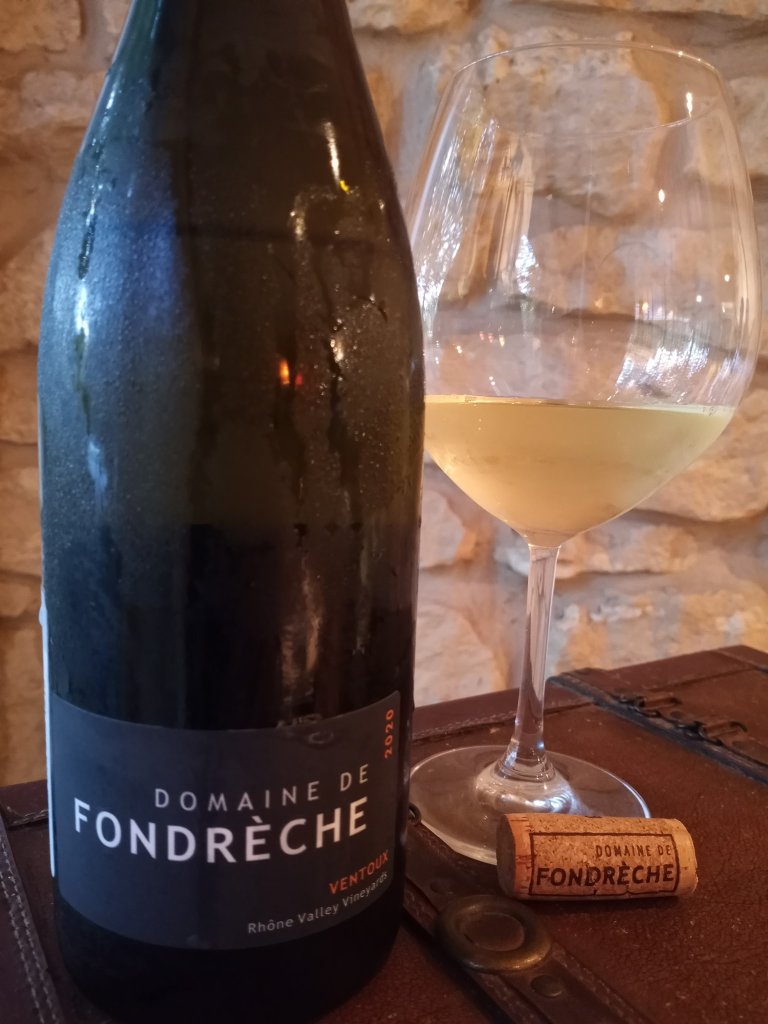
Located in the foothills of Mont Ventoux lies one of the top producers in this region of the Rhone – Domaine de Fondreche. In the shadow of the mountain, the vines are an average age of 40 years planted in chalky clay over limestone.
Ventoux Blanc, Rhone Valley 2020- If you’re tired of drinking Chardonnay, this is the wine for you.
This is a wonderful blend of 30 % Grenache Blanc, 30 % Roussanne, 30 % Clairette, and 10 % Rolle (Vermentino) with all four varietals contributing to some degree.
Has an intriguing nose of floral notes, citrus, melon, and white peach with an interesting chalky quality. The palate is crisp, clean, and inviting dominated by apples, melon, citrus, honey, white peach, and a rich almost creamy mouthfeel
balanced by restrained acidity by the time you swallow your first sip. Balance and finesse are the name of the game with this wine- a delight to drink. Crab or lobster would most definitely be the ideal pairing but a seafood (white fish, tuna, or Salmon) salad would also work well.
Ventoux Rouge, Rhone Valley 2020- Nice balance of power and elegance.
This is a blend of 50% Grenache, 30% Syrah, and 20% Mourvedre and is typical for red wines/blends from this region. It is then aged in a mix of vats, foudre, and concrete eggs for a year and sourced from vines with an average age of 40 years. Allow it to breathe for an hour to give it time to reveal its true character. Nose is most definitely red fruit, dominated by cherries and strawberries with just a hint of game and spices. The palate is friendly and inviting with a soft mouthfeel despite Syrah and Mourvedre components.
Grenache contributes red currents, cherries, and strawberries, the Syrah contributes backbone as well as blueberries and plum whilst the Mourvedre brings a gamey meaty aspect to the wine, all working together to please your palate and create memories for future recollections. This is a must-try wine and a pleasure to drink! Lighter red meat dishes and chicken with tomato-based sauces.
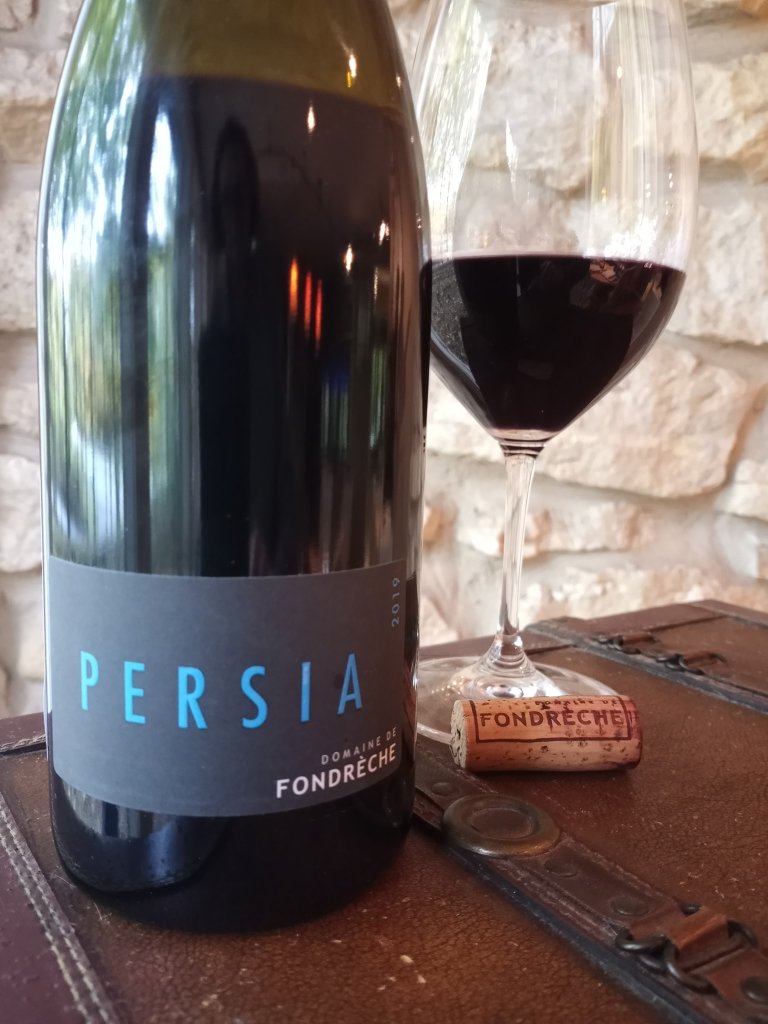
Domaine de Fondreche ‘Persia’ Red Blend 2019 – Assertive and lush!
This Syrah has just 10% Mourvédre added giving the nose a slight meaty gamey note that is dominated by blackberries, blueberries, and a subtly pepper note- all typical of a quality Syrah from this region. One sip and it firmly established this Syrah has arrived, the lushness of the dark fruits so evident on the nose coats the palate with confidence exhibiting wonderful balance, fine tannins, and impressive acidity all designed to please the palate and put a smile on your face.
. Give it a few hours in a decanter and it becomes even more approachable. Give it 7 – 10 years and your patience will be rewarded, not to mention your palate. An absolute delight to drink. I would go bold in pairing this- a porterhouse steak with a rich mushroom sauce or a rich beef dish would go hand in hand!
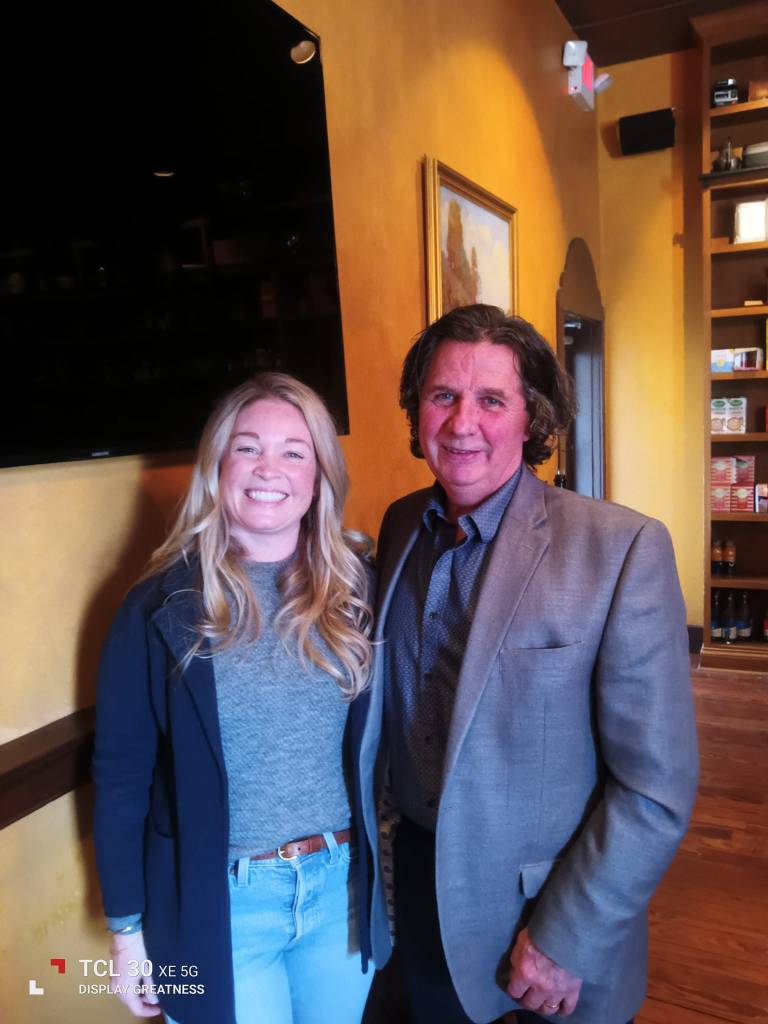
For Nick Goldschmidt, owner and winemaker at Goldschmidt Vineyards, continuity and consistency matter most when choosing a label. Why then, he asks, do reviewers focus only on young and upcoming winemakers?
“I find it funny that they name the 40 under 40 best. How about the 50 best over 50? Those are the ones I want to drink.”
At 58, Goldschmidt is Exhibit A in his argument for age-worthy winemakers. His career spans more than 30 years in eight countries. In addition to their Healdsburg, California-based winery, Nick and wife Yolyn own properties in Chile and in their native New Zealand. Nick also has long-term consulting contracts in Argentina, Australia, Canada, and Mexico.
Over the last year or so, I had a chance to meet “the girls” – the three Goldschmidt wines named for the couple’s daughters: Katherine and Hilary, two distinctively different Cabernets, and Chelsea, a Merlot. A week ago, just after he returned from Chile, Nick and I caught up via Zoom for a wide-ranging chat on the present and future state of the wine industry. (Please note that comments are edited for length and clarity.)
First, a bit of bio
Nick began his career in 1982 after earning degrees in viticulture and enology. He worked first as a researcher and then traveled extensively to harvests in several new-world wine countries.
In 1990, he became chief winemaker at Simi, a pioneer in the Alexander Valley subregion of Sonoma County, just north of Healdsburg. Simi was first owned by LVMH and subsequently by Constellation while Nick was there. He then moved on to hold vice president and executive winemaker roles at Allied Domecq Wines and Beam Wine Estates overseeing Buena Vista, Clos Du Bois, Gary Farrell, William Hill, Mumm Napa, and other brands.
Nick and Yolyn established their own family winery in 1998. Goldschmidt wines are all single-vineyard, 100% varietal, handcrafted wines intended to express their unique sites. Nick has received a variety of awards and accolades throughout his career. More than 100 of Goldschmidt’s wines have received 90 points and above from Wine Spectator, Wine Enthusiast, and Robert Parker’s Wine Advocate, and 20 wines have been included in Wine Spectator Top 100.
Key points and takeaways
“No place in the world has soils like Maipo.”
Maipo is located in the Central Valley of Chile, surrounding Santiago, and is known for its Bordeaux-like soils. Nick has been coming to Chile since 1990.
“A revolution is going on in Chile.” Traditional viticulture has improved, he says, and so has entrepreneurship. “What’s not been explored thoroughly is how far north you can go. The problem is there are no roads. If it were easy, everyone would be doing it.”
Besides Chile, there are places in Argentina and in northern British Columbia [north of the Okanagan Valley] to be developed, too, he says. “With global warming, there’s more ability to plant in those regions as well.”
“I can throw a stone from here and it’s a different soil – it’s what makes Napa [and Sonoma] different.”
“Let’s say it’s a 20-acre vineyard. The number of soils can be three or four. Stonemason [the Alexander Valley home to “Katherine” Cabernet grapes] is a hillside – you have three dramatic soil types. We make each one differently, extract them differently. At the end of 18 months, we sit down to a blend of the three. Early harvested grapes are more dense; late harvested grapes are more elegant. We’re not using generic winemaking – anyone can do that. We emphasize site-specific winemaking and making the best wine we can from the site-specific soil.”
“Sustainability doesn’t mean organics.”
“We’re getting rid of herbicides, compaction from tractors running up and down rows, and the amount of lime in water. In stony soils, it’s still hard to use mechanical weeders. Organics are more difficult. There are non-systemic herbicides. There are options besides using Roundup. We may not agree with organics and Biodynamics [Biodynamic farming takes a holistic view of agriculture; special vineyard preparations eliminate the use of chemicals.] But they’re making everyone rethink the status quo.”
“Getting educated is what growing grapes is all about. New Zealand was the first place to do sustainability; Chile second, then Sonoma. I don’t want that [organics] to be the reason people buy my wine. People don’t understand that wine is one of the most natural products on the market – breathing, evolving.”
“Terroir only exists if you don’t irrigate.”
That high-alcohol Zin you love? Forget about it! That’s just your body tricking you to feel the acidity, but not the sugar. It has nothing to do with terroir at all.
“As we run out of water, as yields go down and the price of land, fuel, and labor are going up, we’ll be looking for more ways to mitigate [through] fresher styles with less alcohol. It’s happening globally.”
Nick has been “fanatical” about rootstocks and deeper rooting – to be prepared to lower the amount of irrigation. You can mitigate dry soils without irrigation, he says. “We’re looking for fresh fruit, so we’re picking grapes with lower alcohol.”
“Every grape in Napa/Sonoma is tainted.”
“We live with frost, hail, and Botrytis,” Nick says. Fire is just another one of those things we’ll have to learn to live with. “Every country is having fires. We will have fires in 2021. I hope they won’t be as significant.”
In California, the 2020 fires were hugely different than their predecessors. First, they occurred a month earlier, and then, they lingered. “The Glass Fire was not a big deal. The Hennessey and Walbridge fires were big, and smoke just sat around in the valley and tainted the grapes. Lateral leaves are the lungs of the vine – they’re breathing in what is around.”
“Early-season grapes and whites are less affected. In fact, in whites, it is easy to make wine without smoke by pressing quickly and not adding too much pressed wine.”
Fortunately, responsible winemakers know how to fix wines to a level below the threshold. “We’ve had significant success in Canada with these wines. We know how to put a good wine in the bottle without it being smoky, but a lot of wineries will take shortcuts.”
And then there’s the consumer. Despite a “phenomenal” 2020 vintage, Nick says, the consumer won’t buy it. “It’s a huge perception issue.”
“The future of wine is two things: direct-to-consumer and négociants.”
A négociant is a wine merchant who buys and assembles the produce of smaller growers and winemakers and sells the result. Nick sees the future of distributorship as being either director to-consumer or négociants.
“Distributors are challenging laws because they’re being challenged. We’re going to end up with super-big companies that have shareholder value. You can’t fight companies like Concha y Toro; they’re not public. They will always have a route to market. Small to medium-sized producers need to spend their time and energy getting wines into the hands of consumers – either get super big or decrease volume and go direct.
“People should be looking for people, not brands.“
“I don’t have anything bad to say about large companies. I quite like the big guys. But the consumer needs to stop being so lazy. What I look for is a person I know, a place I know, a wink to the region. I’m not going to buy a branded product. The average consumer goes to Alexander Valley and Napa. Don’t be safe. Safe is boring.”
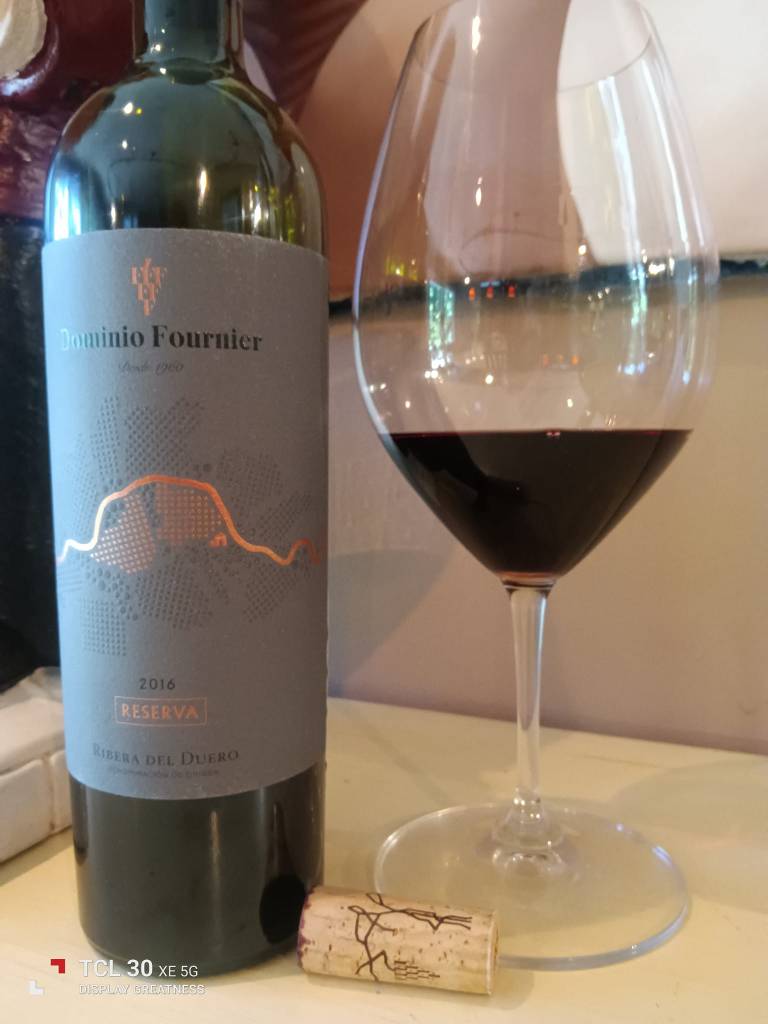
You have heard me speak highly of Spanish wines before- not only their great quality but their exceptional value. This area is known for high-quality Reserva wines, and harsh weather with their oldest plantings dating back 60 years, sitting 780 feet above sea level. It is an easy 2-hour drive north of Madrid and southeast of Rioja.
Their vineyards hug two km of the Duero River that weaves its way through 70 km of the Ribera del Duero region. The Wine Label shows the river and the vineyard locations.
Established before the Denominación de Origen was created, it governs not only regional boundaries but the wine, and food standards in Spain- both of which are an inseparable concept in Spain.
Ribera del Duero wines fall into three categories:
1. Crianza: Must be aged at least one year in oak barrels.
2. Reserva: Must be aged at least one year in oak barrels, and an additional two or more years in bottles.
3. Gran Reserva: Must be aged at least two years in oak barrels and an additional three or more years in bottles.
This Reserva is made from 100% Tinta del Pais, or Tinto Fino, as it is known locally, but you will know it as Tempranillo.
Locals use different names, claiming local growing conditions produce characteristics that are completely different from Tempranillo grown elsewhere, believing they are fresher, and more elegant in style.
The nose is dominated by enticing dark fruits, baking spices, and olives.
The is silky smooth with layers of blackberries, dark cherries, black currant, and cranberry, with secondary notes of olives, spices, leather, black licorice, and black tea. Tannins are evident, chewy with a boldness that demands your attention. Nice savory notes on a long finish. May need a few years of cellaring to soften the tannins but it will be worth it.
Cellar out to 2030 – 2035 depending on how aged you like your wines.
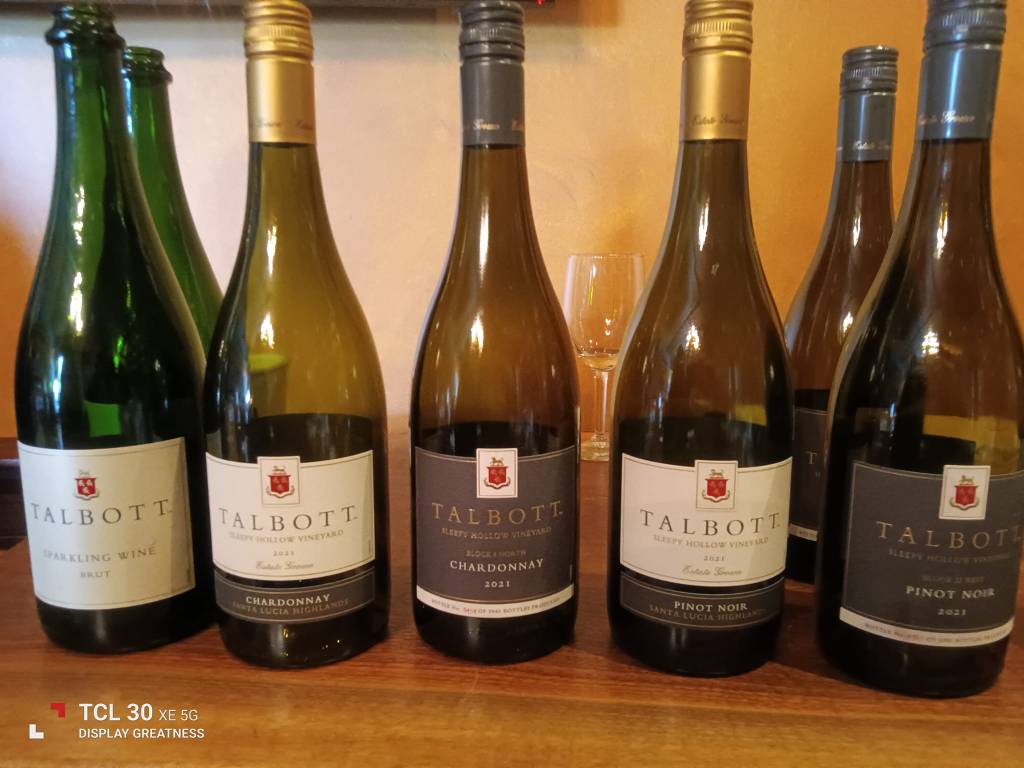
I got to taste all the new Sleepy Hollow Vineyard wines. The vineyards are located in the Northern section of the Santa Lucia Highlands ‘valley’ and spread across three sites, aptly named Sleepy Hollow North, West, and South.
Two things should be noted about these unique sites, first, as you head south towards Paso Robles the temperature increases about a degree or so every mile (AVA is 18 miles long), and second, the cool ocean breezes are channeled down the valley dropping the temperature enough to stall grape development by 11 am every day.
This produces extended hang time from bud break in February to harvest in October resulting in exceptional quality, depth, and complexity in both their Chardonnays and Pinot Noirs.
Their Winemaker Kamee Knutson attributes their exceptional success to unique vineyard sites, matching French clones to those specifically chosen sites, use of French Oak only and a ‘Hands Off’ approach to her winemaking.
The single vineyard releases really raise the bar to atmospheric heights, unfortunately you must visit the Winery to get a hold of them, none are available in Indiana.
The standard of Albarino has risen noticeably in the past 5 years, or is it that the better ones are finally reaching US shores? Whatever the reason, they have been super impressive, this being the second in as many weeks where I thought this could be the best of the year.
This has a deep yellowish-green color that seems to come alive in the glass.
The aromas of citrus and fresh-cut peach are enough to make you want to take a sip.
The palate is crisp and clean, with none of the effervescence you can experience with Alberino’s. Great acidity and balance with layers of peach, citrus, and a hint of guava, and a note of saline on the finish. Velvety smooth finish with nice length.
This will cellar out 3- 5 years, but you may lose some of the freshness to a rounder mouthfeel. I love it the way it is.
Pairings should include octopus, scallops, seafood, clams, oysters, and baked fish. I can also see this going well with a chicken dish with a creamy lemon sauce and vegetables on the side.
If you have not heard of the grape varietal, Treixadura, do not be concerned, you are in good company. It is originally from Portugal but is grown in Spain, especially in Ribeiro and Rías Baixas. This one is from Rías Baixas. There is a lot of documented history so rather than repeat it here, check out: https://en.wikipedia.org/wiki/Treixadura
It is primarily used as a blending grape adding body and light lemony aromatics, but it is possible to find single varietal releases.
As a single varietal, the first thing you notice is the deep, almost aged Chardonnay, golden yellow. The nose displays rich aromas of citrus, white flowers, white peach, and papaya skin.
The palate is, not surprisingly, different from anything I have tasted before. The wine has a rich, waxy mouthfeel balanced with nice acidity with an aged texture about it that reaches down into the middle palate. Interwoven layers of ripe pear, green apple, and stone fruits with hints of
I
citrus and orange peel made me think wow, interesting wine. The second sip confirms its uniqueness, and it is most definitely a wine worth drinking. I would guess this will cellar out another 3 – 5 years.
Pairing rule, eat dishes from the same region as the wine originates from. I would stick to white meats such as seafood, chicken, and tapas.
This is a blend of predominately Sangiovese with a splash of Ciliegiolo, and Cabernet Sauvignon, which they allow to hang a little longer, and dry on the vine.
Governo usually refers to the Government but, in this case, it refers to an old vinification process that is mainly used, and presumably developed in Tuscany. Related to this, is the expression on the bottle all’uso Tuscano which translates to “in the Tuscan way” This method makes the wine darker, deeper in flavor, and smoother, with higher levels of alcohol- this is 14%.
The wine has enticing aromas of red fruits, blackberries, vanilla, and a hint of tobacco.
The palate is all blackberries, black currant, and dark red cherries, chocolate, with secondary notes of plums, dark chocolate, and black raspberries. There is a bit of sweetness that comes from the late-picked Cabernet Sauvignon and the Ciliegiolo, which is typically added to enhance the aroma and juiciness and soften more tannic varietals. Ciliegiolo means “cherry” in Italian.
This wine can be cellared up to 2030 and beyond.
Pairings should include your favorite Italian dishes, red meat dishes in any form, Osso Buco, and Pizza. Let us not forget creamy mushroom Risotto or Chicken dishes with some rustic garden herbs.
This has been compared to the 1828, 1947, 1967, 1994, and 2011 harvests.
The 2022 Harvest has been described as a ‘miracle harvest’ and will first show up in the US with Rosé, Whites, and then Reds which will trickle in over the next 5 years.
The question is, could this be the greatest Harvest ever?
I found this quote somewhere but do not remember where- apologies.
“After a short, wet spring and a long hot summer, with a little help from the scirocco and the maritime breezes, the harvest of 2022 in Italy will go down as one of the surprisingly greatest in history. ‘Definitely, the harvest of the decade if not the century!’ one independent winemaker in the Langhe exclaimed. In Tuscany, as well, the elderly Montalcino scions noted that they hadn’t seen a harvest like this ‘since 1967.’ And in the Veneto, Amarone producers were licking their lips over a protracted growth season with ‘potentially gobs and gobs of great Amarone to come, nothing as we have seen since 1947.’ Not to be outdone the Etna producers amplified the feeling from the peninsula and went one step further. ‘We have not seen a wine harvest like this since 1828 – this is the harvest of the millennial.’ So be it. the greatest harvest Italy has ever seen, mark their words.
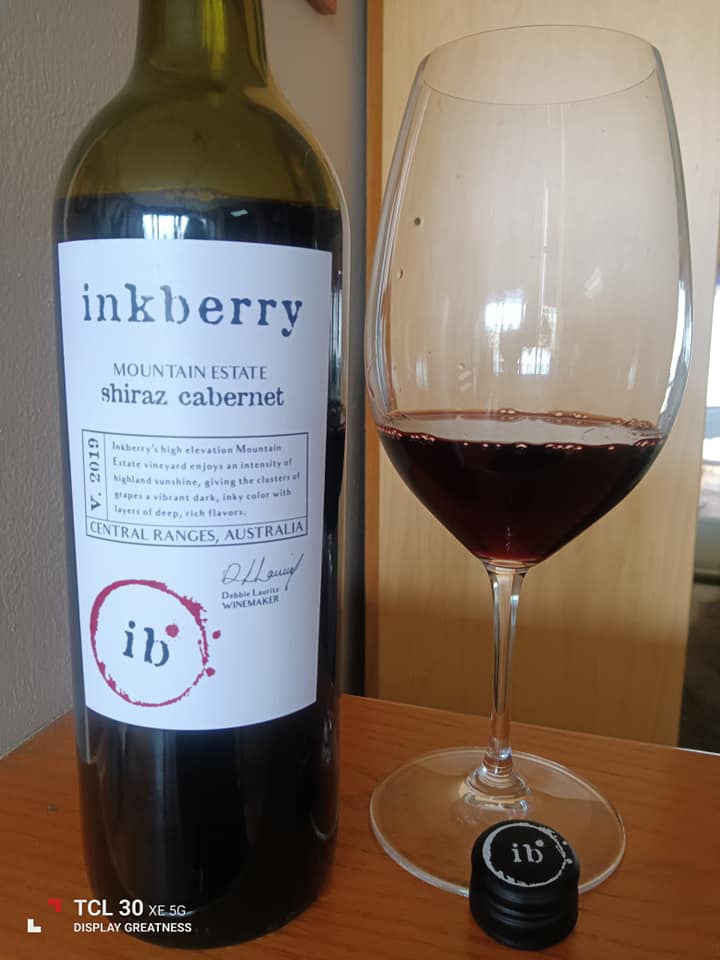
Inkberry Shiraz Cabernet Blend 2019 – over delivers!
This will appeal to anyone who is a fan of Shiraz, Cabernet or Paso style wines.
This is a blend of 60% Shiraz and 40% Cabernet and is quintessential Australian. You will not find it anywhere else. Grapes are sourced from Single Vineyard Estate fruit located in the Central Ranges in New South Wales at an elevation around 2,000 feet. The elevation and the intense sunshine give the grapes a dark ‘inky’ appearance.
There is a lot going on, with the nose, both varietals walking in harmony with dark fruits- ripe blackberries, and plums edging out hints of blueberries, and cherries.
The palate is juicy, silky smooth and inviting with layers of blackberries, plums, and black currant with secondary notes of black raspberries, and red fruits with a vanilla mocha thing mixing things up on the finish. Great balance with a sense of completeness- everything is where it should be.
Cellar out until 2030 plus with confidence.
I have some 2010’s in my cellar and they are drinking beautifully.
Pairings should include pretty much any red meat, cooked the way you like it. Its just about grilling season and this is the wine you will want to drink while grilling, while eating, and after dinner as well.
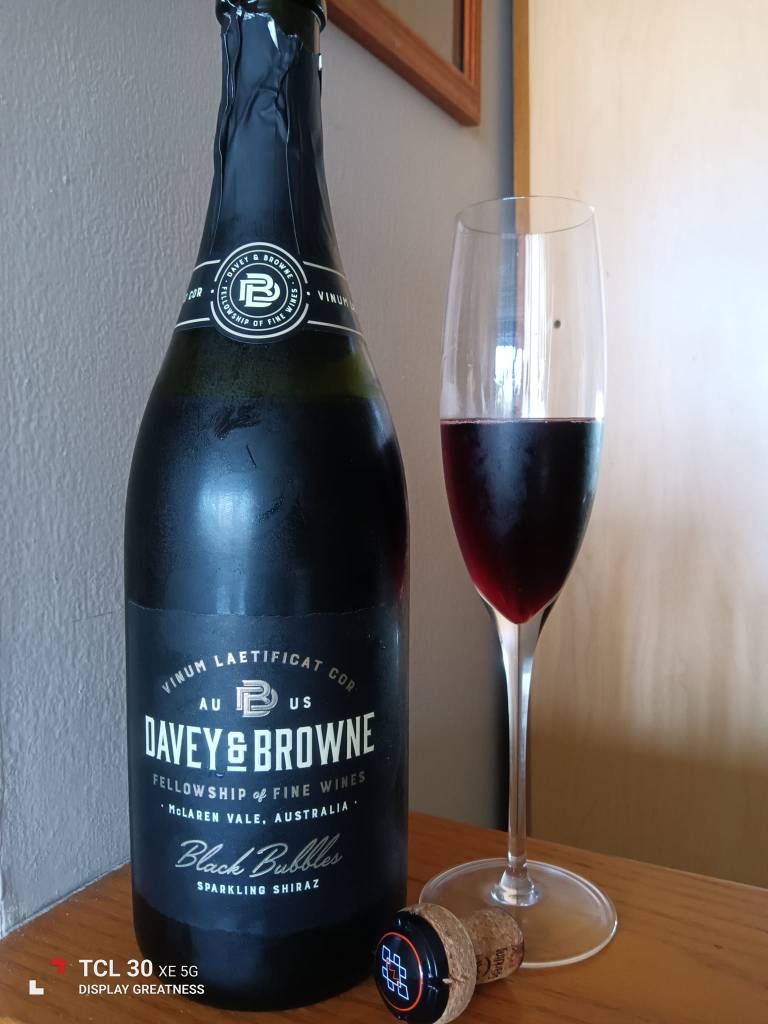
Davey & Browne ‘Black Bubbles’ NV
When is a Shiraz, not a Shiraz?
I remember the first time I poured this for lunch guests at home, several years ago, they looked at the champagne flute oddly and exclaimed, it’s cold, and has bubbles, and it’s black. What is this?
Made from Shiraz, sourced from McLaren Vale vineyards over several different vintages, blended to bring you just the right amount of balance, restraint, tannins, and acidity, with just a hint of sweetness, all crafted for your drinking pleasure.
One sip and you will realize this is a very unique experience.
Aromas of dark fruits and cherries entice you to take a sip.
The palate clean, crisp, and refreshing with a ‘creamy’ mouthfeel, albeit wrapped in bubbles. The whole concept of black and sparkling framing blackberries, black currants, plums, dark cherries, dark chocolate, and raspberries can take a minute to adjust to. By the second sip your palate feels right at home and your brain is says more please. It is definitely Shiraz, just totally different. An absolute delight to drink.
I tasted this in two different glasses, a ‘traditional’ champagne flute, and second, a glass designed for drinking Pinot Grigio- it looks a little like a champagne flute on steroids. At the end of the day, I did not have a preference.
This will cellar out 2-3 years without a problem.
Pairing should include … This is made to drink before or after dinner, but you could successfully pair this with BBQ Ribs, Chinese Roasted Duck with Cherry Salsa, Roasted Turkey and of course Dark Chocolate Mousse.






 Vine to Table