Pali Wine Co Charm Acres Sonoma Coast Chardonnay 2018
Nose is loaded with baked apple and pear enticing you to take a sip. Very much Sonoma Chard and one sip confirms it.
Palate is smooth, rich, and approachable with a caramel creme brulee and baked apple thing dominating with secondary notes of pear, white stone fruits, pineapple, and spices. Nice balance and acidity. The 2018 vintage has 6 years under its belt and has gained from the aging, that I might add has already done for you. Drinking very well with a nice long finish.
No need to cellar it- it is done for you. I would drink in the next two to three years
Pairings should include something rich, preferably white meats with a citrus, mushroom or garlic and butter sauce. Alfredo Chicken Pizza, or firm cheeses with a herb cracker.
Pali Wine Co Skin Contact White Wine 2023
This is a blend of 55% Gewurztraminer and 45% Pinot Noir, and, despite the branding, this feels more like an orange wine. I have been asked in the past if Orange Wines are a fad. The truth of the matter is the wine technique of skin contact white wine has been around for centuries. A fad? I do not think so. Will it rise and fall in popularity? Like most things, I guess the answer is yes but that does not reflect on the wine, only the fickleness of the public.
The nose displays enticing delightful floral notes and tropical fruits.
The mouthfeel has a playfulness about it- Gewurztraminer balancing the more ‘serious side’ from the Pinot Noir. This could be your next favorite summer wine.
Tropical fruits, strawberries and cherries dominate wrapped in a hint of sweetness with notes of apricot, papaya, and mandarin.
Pairings should include salads, chicken, and seafood from the grill, and given the hint of sweetness, something with a little spicy kick to it. Chicken Pad Thai or spicy Chicken Burrito come to mind.
This delightful Italian Red comes from Morellino di Scansano which lies in the Maremma region of coastal Tuscany. This region of Tuscany could just be the most over looked, underappreciated wine regions in all of Italy.
It must be a minimum of 85% Sangiovese which is the basis for all Tuscan wines. This one is 90% and 10% other.
The wine maker jokingly says Morellino really means “more Sangiovese please”. One sip and you will agree. With an hour or two’s decanting an enticing nose of cherries, dark plums, and herbs unfolds.
Rich and smooth on the palate with ripe cherries, dark raspberries, dark plums, with secondary notes of cooking herbs, dark chocolate, expresso coffee, and olives. Restraint is evident, with depth and complexity confirming just how much this over delivers. Nice acidity and balance.
Cellar this out to 2030 without a problem.
Pairings should include beef, lamb, veal, and chicken, especially with generous amounts of Italian cooking herbs. Do not forget Pepperoni Pizza for a casual evening meal.
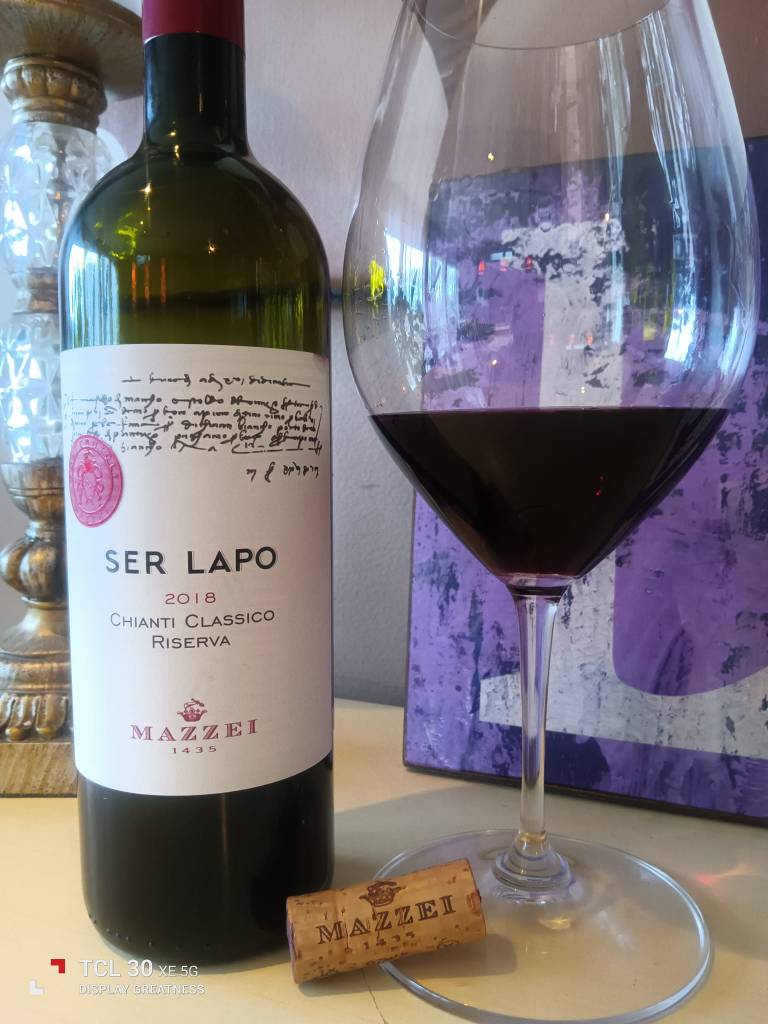
Ser Lapo Chianti Classico Reserva DOCG 2018
That should be enough for you to want to drink this, but this is a wine review after all.
It was their ancestor Ser Lapo known as the ‘father’ of the Chianti wine appellation who first coined the phrase in a document on December 13th, 1398.
This is a blend of 90% Sangiovese and 10% Merlot.
A heady nose of bright red fruits- cherries and cranberries.
The palate is smooth and inviting, well-balanced with some gritty tannins reminding you it is Tuscany and needs an hour or two decanting as well as some sliced meats, cheese, and a crusty loaf.
Layers of alluring cherries, raspberries, and cranberries with secondary notes of cinnamon, cooking herbs, and an earthy note on the finish. There is a nice level of sweetness through the mid-palate and a long finish that makes this even more interesting.
Cellar this out for another 10 years- 2034.
Pairings should include Beef, Osso Buco, Pasta, Pepperoni Pizza, and of course sliced meats, cheese, and a crusty Italian loaf.
If you talk with a travel agent, they will tell you there are dozens of things to do and places to see in the picturesque commune of la Morra, with wine tasting at the top of the list. These rolling hills with rows and rows of vineyards and centuries-old hilltop villages with snow-capped mountains in the background certainly make for an awesome vacation spot.
The Ellena Winery is 15 hectares with only five under vine and eight hectares of hazelnuts, and, from 1966 sold their grapes to local co-ops. That all changed when Matteo took over in 2009. Today, three generations of Ellena’s work side by side producing impressive wines combining the old and the new.
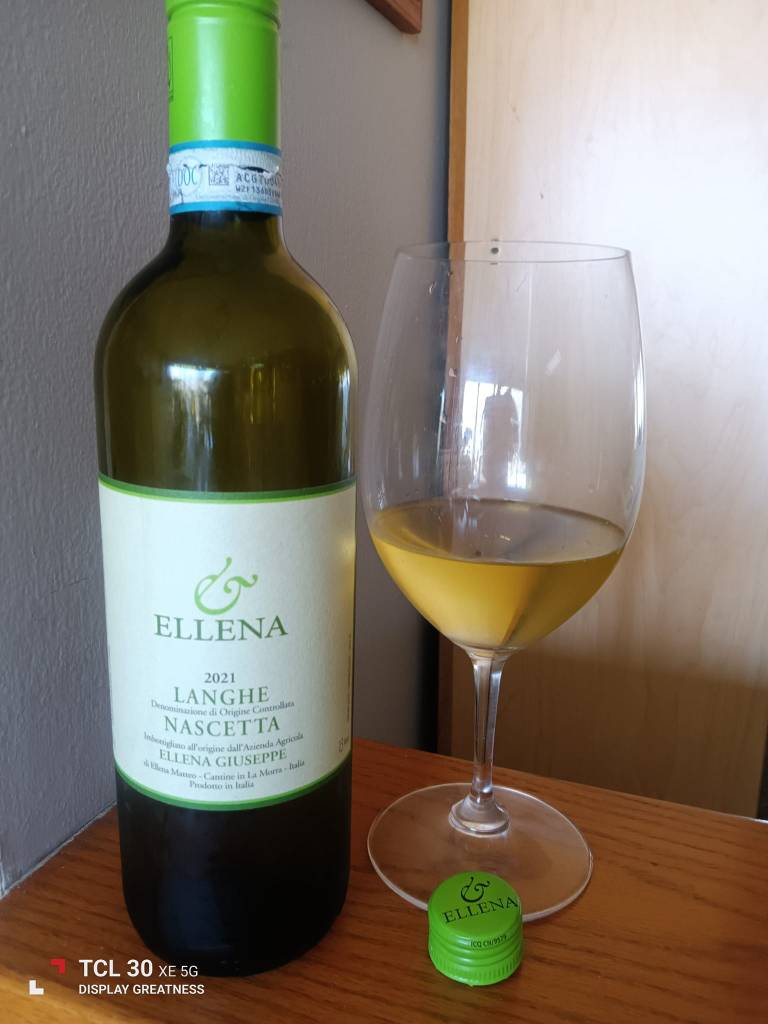
Nascetta 2021
It was very popular until the late 1960s when plantings started to dwindle to a mere 10 hectares in 1995. These guys have been championing the varietal for decades and have increased plantings to match their enthusiasm for the varietal.
I had my first Nascetta a few weeks ago and was given a bottle to review. A delightful, aromatic white wine from the Piedmont Region in northwestern Italy, a region known predominately Reds- think Barolo and Barbaresco.
Enticing aromatics of wildflowers, apples, tropical fruits, and honey. The palate showcases citrus, apple, tropical fruits, and honey with subtle spices—impressive depth and complexity with an inviting mouthfeel balanced with crisp acidity.
Yes, my ‘first date’ with Nascetta will not be my last—an absolute delight to drink.
Cellar out to 2028
Pairings should include Fish, seafood, scallops, and fish- get the picture. It would also work well with rich chicken dishes, especially with fresh garden herbs. Also, consider salmon caviar and butter on a crusty French loaf.
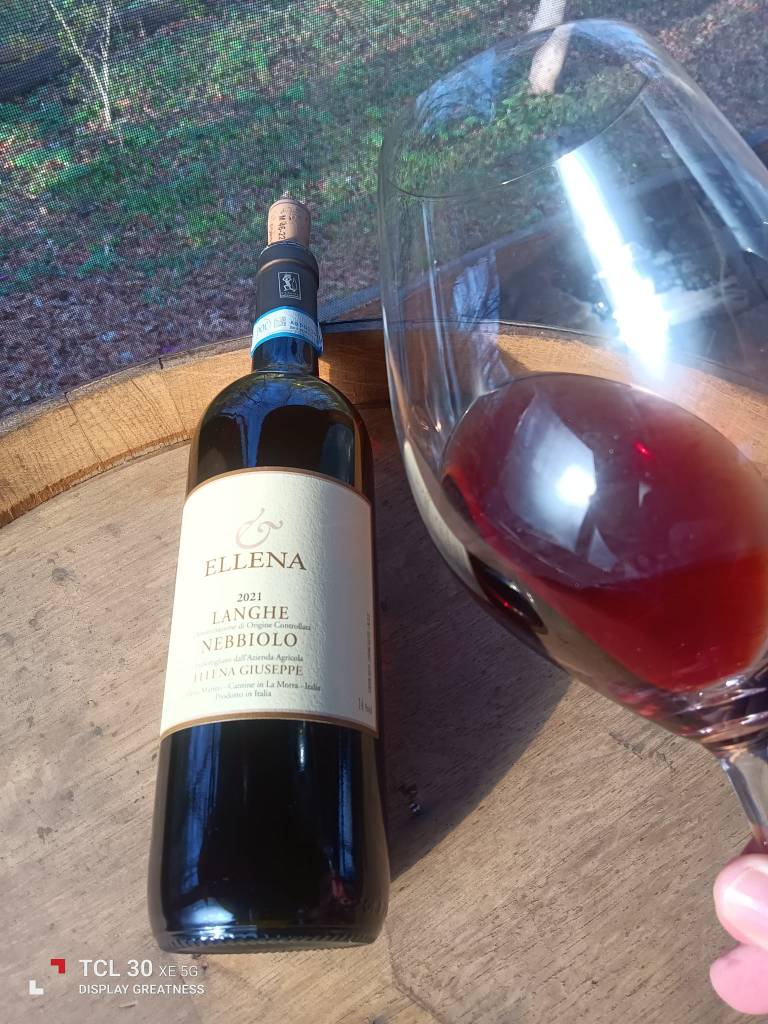
Lange Nebbiolo 2021
This is what the region is known for, the noble Nebbiolo grape. The ruby red color shimmers in the glass enticing you to take a sip.
Lovely aromas of old-world charm wrapped in floral notes, cherries, orange peel, and fresh herbs draw you in.
The palate is inviting and elegant with layers of red cherries, red currant, and raspberries with fresh herbs and spices to round things out. There is a sense that everything is where it should be, with fine but grippy tannins, great balance, and a nice earthy/mushroom/tobacco note to finish. All this makes you want to take another sip. Go ahead, enjoy.
Cellar out to 2030 with confidence.
Pairings should include beef, lamb, chicken, turkey, and venison. Any dish with cooking herbs, and fresh tomatoes will work.
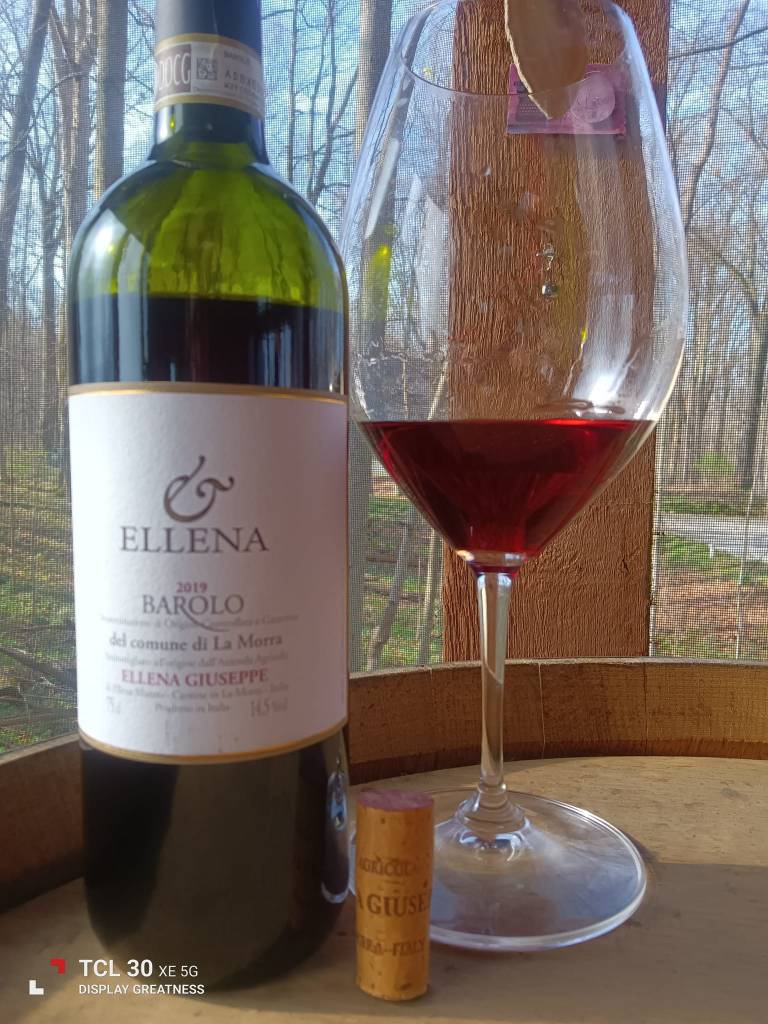
Barolo del commune di La Morra 2019
One whiff and you know its old world, if you are familiar with Italian wines, you will know its Barolo.
Intoxicating nose of interwoven layers of cherries, herbs, and floral notes. La Morra in all its glory. This has attitude and should be decanted 2 – 3 hours.
The palate is elegant and restrained with exceptional balance and complexity. Dried herbs and floral notes greet you before the seamless layers of cherries, cranberries, and dark raspberries take over. There are interesting notes of balsamic, earthy spicey cedar box that feature on a long finish. Definitely Barolo, definitely a pleasure to drink.
Cellaring to 2035 will reward your patience
Pairings will be like their Nebbiolo- beef, lamb, chicken, turkey, and venison. Any dish with cooking herbs, and fresh tomatoes will work.
There is so much history with this family, it’s crazy. Established in 1435, they have been making wine in Tuscany for nearly 600 years. Can you imagine for a minute the same family nurturing the same vineyards for 25 generations? That is a serious commitment.
As a matter of interest, their ancestors were the first to name, and use ‘Chianti Classico’ as seen on the documentation on their Ser Lapo release, but we will get to that later.
They have since expanded into other regions in Italy as seen by the diversity in their wines. Estate vineyards total over 1,100 hectares with 225 hectares of some of the best vineyard properties in four appellations.
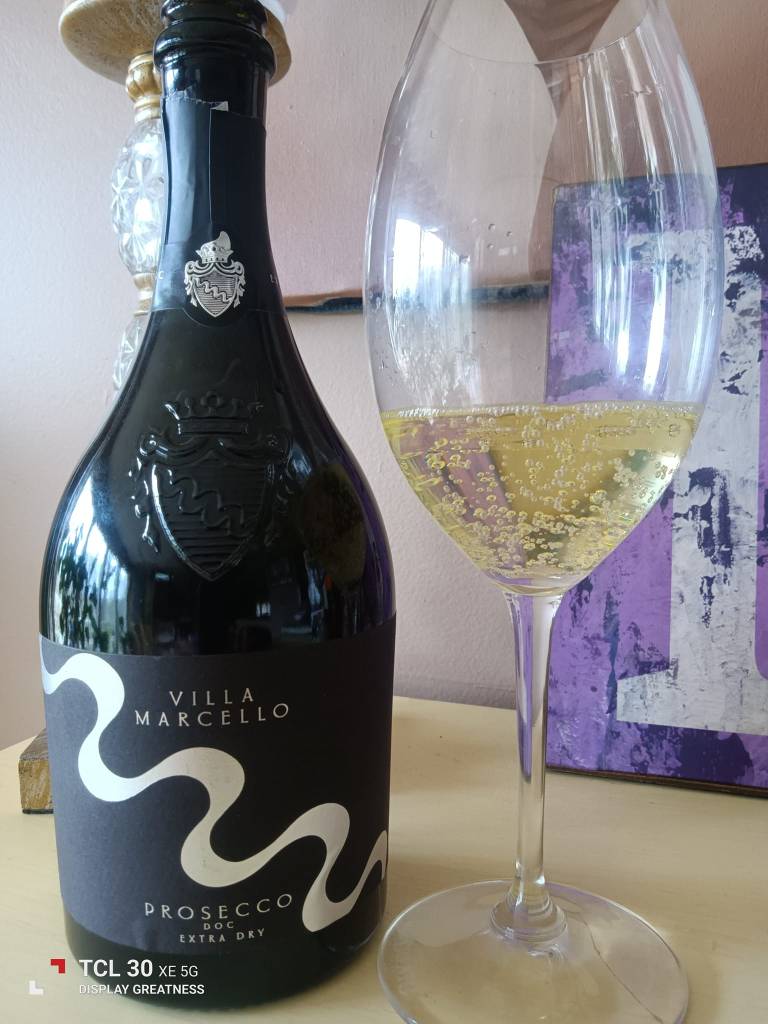
Villa Marcello NV Extra Dry Prosecco Treviso DOC
Villa Marcello is in Prosecco adjacent to Conegliano and blends modern advances with age-old traditions. This is a blend of 85% Glera and 15% Pinot Bianco and is a non-vintage Estate grown Prosecco that most certainly raises the bar for others to aim for.
This is an Extra Dry which means it is not as dry as Brut but there is only a touch of sweetness.
The first thing you notice about the palate is how welcoming it is. Refreshing delicate bubbles and a smooth mouthfeel give way to layers of apples, pears, stone fruits, and honeysuckle. This would work really well in Mimosas, but it’s almost a shame to mix it, no matter how good the end result is. The hint of sweetness is a plus that lingers after you have finished your last sip.
No need to cellar this, this is available all the time.
Pairings should include Caviar, firm cheeses and crackers, Shellfish, and most white fish.
Ser Lapo Chianti Classico Reserva DOCG 2018- the Father of Chianti.
That should be enough for you to want to drink this, but this is a wine review after all.
It was their ancestor Ser Lapo known as the ‘father’ of the Chianti wine appellation who first coined the phrase in a document on December 13th, 1398.
This is a blend of 90% Sangiovese and 10% Merlot.
A heady nose of bright red fruits- cherries and cranberries.
The palate is smooth and inviting, well-balanced with some gritty tannins reminding you it is Tuscany and needs an hour or two decanting as well as some sliced meats, cheese, and a crusty loaf.
Layers of alluring cherries, raspberries, and cranberries with secondary notes of cinnamon, cooking herbs, and an earthy note on the finish. There is a nice level of sweetness through the mid-palate and a long finish that makes this even more interesting.
Cellar this out for another 10 years- 2034.
Pairings should include Beef, Osso Buco, Pasta, Pepperoni Pizza, and of course sliced meats, cheese, and a crusty Italian loaf.
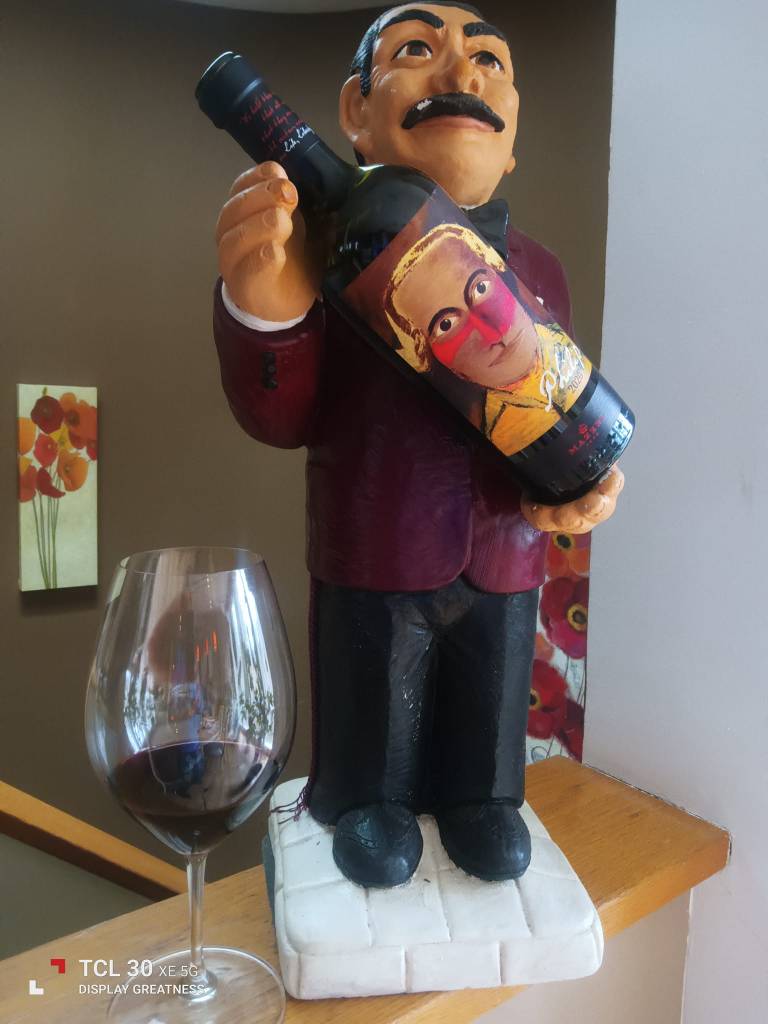
Philip Toscana IGT Cabernet 2020- be surprised.
I know what you are thinking, a single varietal Cabernet from Tuscany, really?
This wine is dedicated to Philip Mazzei, a patriot, and a close friend of Thomas Jefferson. “The great doctrine, All men are created equal” incorporated into the Declaration of Independence was paraphrased from the writings of Philip Mazzei.
The nose is a potpourri of red and dark fruits, cooking herbs, and a hint of plum.
The palate is enticing layers of cherries, blackberries, plums, and herbs with some interesting notes of dark chocolate, espresso, vanilla, licorice, tomato leaf, and tobacco. Decant for an hour or two and you will discover a velvety smooth mouthfeel, great structure, and balance, with elegance beyond its price point- under $50.
I would consider cellaring this to 2035.
Pairings should include NY Strips, Beef, Lamb, Osso Buco, Meat pasta, Pepperoni Pizza, cured meats, and Chicken Cacciatore.
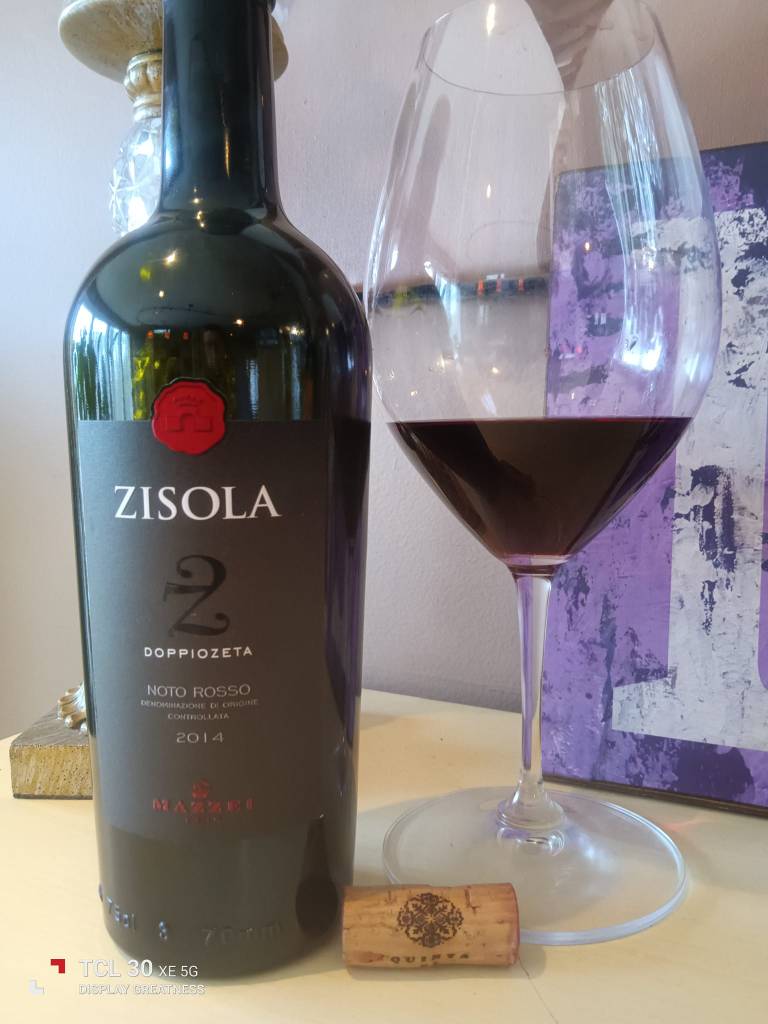
Zisola Doppiozeta Noto DOC 2014 – Aged to perfection for your enjoyment!
This estate is in Southeast Sicily, the birthplace of Nero d’Avola, in the heritage-protected region of Noto, and was acquired in 2003 after an exhaustive 5-year search. The vineyards are surrounded by olive, citrus, and almond trees.
This is a blend of 65% Nero, 25% Syrah, and 10% Cab Franc.
The enticing nose displays aromas of blackberries, black currant, and ripe black cherry.
The palate is all blackberry jam, black currants, blueberries, and dark chocolate-covered cherries. Wrapped in a restrained level of sweetness, reminiscent of an Amarone, there are hints of tobacco, cedar, and plum that grab your attention on the finish. An absolute delight to drink.
This will cellar out another 3 – 5 years but is great drinking now.
Pairings should include Beef, Lamb, Meat Pasta, and Mushroom Risotto.
This is the oldest, and original Winery in Victoria established in 1838 by the Scottish Ryrie brothers after acquiring 43,000 acres. They planted grapes and ran a cattle farm.
The vineyard changed hands in 1850 and was expanded by 50 acres sourcing some of their cuttings from Chateau Lafite and, in 1859 built the Old Winery which still stands today. 1861 saw the winery winning the prized Argus Gold Cup and, in 1889 was awarded a Grand Prix at the World Exhibition in Paris.
The winery then changed hands several times when the Rathbone Family purchased Yering Station in 1996 with the ambition of making great wine. Ambition achieved!
Another dream became a reality in 1996 with a joint venture with French house Champagne Devaux to produce Yarrabank, a methode traditionelle Sparking wine of exceptional quality.
They produce some of the finest wines to come out of Australia displaying elegance, restraint, and balance and an absolute delight to drink that reflects both site characteristics and varietal integrity.
Their Scarlett Pinot Noir is considered their flagship wine and received a 99pt Rating from James Halliday. It is named in loving memory of our late Viticulturist, Nathan Scarlett.
Yering Station Village Chardonnay 2022- a must-try value-driven wine!
This is a profoundly good Chardonnay, with great balance, elegance, and restraint, and a wonderful example of a cool climate wine that is hard to find at this price point.
Delicate aromas of white peach and tangerine peel met you at the door and invite you in. Enticing indeed.
The palate is French in style, fruit-driven, and not dressed in oak and butter. Crisp clean acidity, mouthwatering with a soft approachable mouthfeel. Layers of citrus, peach, and tangerine dominate with secondary layers of nuts- cashews, and honey. Everything is where it should be, with a character and attitude that could only come from the hills of the Yarra Valley. An absolute delight to drink.
I would drink this over the next 2 – 4 years.
Pairings should include seafood, seafood, and seafood. Fresh oysters, Lobster Bisque, Seared Scallops with Lemon, Roast Chicken with Herbs, Grilled Chicken with Lemon and Thyme and Duck Confit would all work well.
Yering Station Pinot Noir 2020
As the days get warmer, I find myself enjoying Pinot Noir more and more. The lighter body & acidity are perfect for Springtime and moving into summer. It is also a great alternative for red wine lovers who do not relish the thought of opening a big Napa Cab or Australian Shiraz when it’s in the 90’s or more.
Delightful notes of Cherries, and raspberries with a hint of cranberries and spices. The palate has all the cherries, raspberries, cranberries, and spices from the nose with some interesting additions from strawberries, blueberries, nutmeg, vanilla/oak, and an earthy note. All are neatly presented in a framework of fine-grain tannins, and impressive structure. This shows all the depth, complexity, and elegance that is so characteristic of cool climate Yarra Valley wines.
This should see clear development over the next 6 – 8 years: 2030 and beyond.
Pairings should include Chicken, and Salmon salads, Baked Salmon, Roast Turkey, Pork chops, black bean burgers with avocado, cheese, and mushrooms. Anything dish of equal weight should work well. It could be served with a chill on it moving into summer.
Yering Station Shiraz 2020 – restrained and elegant sums up this Shiraz.
Medium-bodied and pretty on the nose with layers of jasmine, and lilac before launching into blueberries, and red cherries with just a hint of pepper and clove. This is not your average Barossa blockbuster. It is blended with 3% Viognier which contributes lovely floral notes to the mix.
The palate is lush and inviting with an engaging hint of sweetness from the mid-palate to the finish. Finely woven layers of dense black and blueberries, dark cherries, and plums with just a hint of dark chocolate, mulled spices, and vanilla. Great structure and balance.
Cellar time of about 8 years should reward your patience.
Pairings should include NY Strips, any red meat off the grill, Pepperoni Pizza, Meat pasta dishes- not too heavy though, as this is a medium-bodied wine, but it does have backbone.
Those of you who know me, know that I am a huge fan of the Margaret River region.
Medium-bodied, elegant, restrained, and unique pretty much sums it up. This is a totally enjoyable wine that over-delivers and could just be the best-value Cabernet you drink all year.
Established in 1977, a decade after Vasse Felix and 6 – 8 years after Leeuwin Estate, it stands as one of the early pioneers of the region. The winery was named after the mysterious, idyllic, exotic city in Mongolia that was the home of Kubla Khan in Samuel Coleridge’s poetic fragment “Kubla Khan” from 1798.
Still a family-owned and operated winery, we are proud to be one of the country’s most acclaimed wineries having won Australia’s Best Cabernet for the last 7 years and currently holding the title for Australia’s Best Chardonnay. That is not to mention the staggering 110 trophies and 304 gold medals (and counting) accumulated since 2007 including the coveted Jimmy Watson Memorial Trophy for our 2016 Xanadu Cabernet Sauvignon.
This is a blend of 86% Cabernet, 6% Shiraz, 3% Merlot, 3% Cab Franc, and 3% Petit Verdot. A true left-bank Bordeaux blend if I have ever seen one.
The nose is enticing but does not reveal, in any true sense of the word, what is to come.
The palate is all black fruits with secondary notes of red currant, raspberries, cherries, black olives, licorice, and subtle cooking herbs. This is potentially different from any other cab you have tasted, that does not make it bad, it makes it different and amazing.
This will cellar out to 2029 without a problem.
Pairings should include meat, meat, and more meat. Meat pizza, meat lasagna, NY cut strips, Chicken with garden herbs, Chicken with a tomato-based sauce, mushrooms, and peppers. If you are vegetarian try Vegetarian chili, Mushroom risotto, black bean burger, and eggplant Parmesan.
So much has been written about this wine but I think big, bold, and beautiful pretty much covers it.
Andy Erickson is the founder and winemaker for this impressive blend and is considered by many to be one of the finest winemakers in Napa. His resume is a list of who’s who including Screaming Eagle, Harlan, Staglin, Dalla Valle, Ovid, and Favia- an up-and-coming winery owned by his wife, in Coombsville. This is the most southern Napa AVA and the 16th to be formally recognized in 2011.
Andy and his team meticulously hand-pick vineyard sites across Napa with the aim of what will the site contribute to the blend and how will it improve the overall result. This vintage is a blend of 63% Cabernet Sauvignon, 12% Merlot, 10% Petite Sirah, 6% Syrah, 6% Petit Verdot, and 3% Cabernet Franc.
Lots of cherries, raspberries, and spices on the nose with just a hint of chocolate.
The palate is big, rich, and welcoming with seamless layers of Blackberry jam, Plum, and Dark Raspberries with secondary notes of Blueberries and Dark Chocolate. Impressive balance, silky smooth mouthfeel, and elegant with a long finish.
What you have is Andy Erickson’s fine-tuning and his magic touch at about a quarter of the price of the other wines he makes.
This will cellar out to 2030, upon saying that, I would drink it young, there is a youthful exuberance I would not want to see you miss out on.
Pairings should include red meat in your favorite dish or straight from the grill, especially with herbs. Pasta with meatballs, Lamb Skewers, Meat lovers Pizza, Roasted Chicken with herbs, Chicken Cacciatore with mushrooms and peppers added.
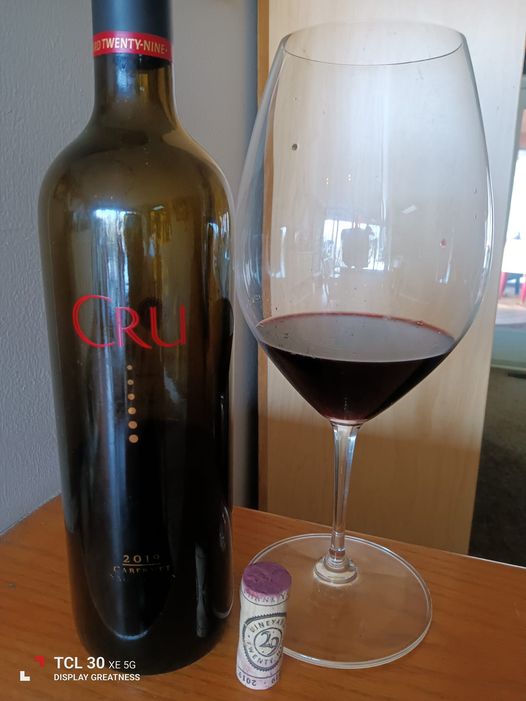
From their first vintage in 1992 they have gone from strength to strength stamping their name in Napa’s history books. Their stunning ultra-modern Winery disguises a very high tech, very sophisticated, gravity-flow wine making facility, tasting room and caves for storage of barrels. An ideal environment for making exceptional Cabernet. Add in sourcing grapes from some of the best vineyard sites in Napa and you have a range of wines that are eagerly anticipated upon their release.
The Cru was first released in 2004 and was 100% Cabernet sourced from several sites across Napa to produce an exceptionally balanced wine that truly represents Napa.
The 2019 vintage is a Blend: 85% Cabernet Sauvignon, 6% Merlot, 5% Petite Verdot, 2% Cabernet Franc, and 2% Malbec.
Note: This breakdown came from their website, but the winemakers’ notes quote it as 100% Cabernet. I will leave it to you to decide, either way, this is an excellent Cabernet and an absolute delight to drink.
Aromas of blackberries, dark cherries, black currant, and chocolate entice the senses to allow this wine to take you on a journey.
The palate is lush, velvety smooth with depth and complexity revealing a richness and balance rarely seen under $200. Its no wonder it gained a 98 Pt rating (from Vinous) and 97 Pt (from Robert Parker) The winery considers the 2019 ‘quite possibly their finest effort yet’.
Interwoven layers of blackberries, sweet black current, dark chocolate, expresso, and cooking herbs leave a smile on your face.
Exceptional length on the finish. Tannins are evident but there is so much power and elegance in the wine. To reap the rewards, this needs about 10 to 15 years in the cellar.
Pairings should include your favorite red meat cuts. Just make sure the pairing is worth it.
Yes, you read correctly, Walla Walla and Malbec in the same sentence.
Established in 1984, John took the helm in 2005 after spending 2 years in a support role. John not only oversaw the construction of a stunning new wine-making facility and cellar door; he meticulously oversees every stage from the vine to the bottle to ensure the best possible results. With more than eighty 90+ scores and 100 Best Buy wines, to his credit, this only further draws attention to his precise approach to making wine.
As soon as you pull the cork you know this is Malbec. One sip will confirm this is classic textbook Malbec, albeit with a Walla Walla twist.
The nose is dominated by plums, dark fruits, and spices.
The palate emanates tightly woven layers of blackberries, dark raspberries, and plums with secondary notes of chocolate, vanilla/oak, and earthy notes. Velvet smooth entry onto the palate, nice depth and complexity with some sweetness showing up in the middle palate through to a nice lengthy finish.
This wine screams Cook Out with loads of red meats, pork, and chicken with BBQ Sauce.
This wine screams Cook Out with loads of red meats, pork, and chicken with BBQ Sauce. If you are not in the Grilling mood, then try Spaghetti Bolognese, Meat Lasagna, or Pepperoni Pizza.
It’s 2019 so a lot of the cellaring is done for you already. I would drink now over the next 2-4 years.
For those with a keen eye, my preference with Malbec is a Riedel Shiraz glass.
The name came from a combination of the two winemakers’ middle names. Dyson Paul DeMara and Scott O’Brien Kelley met while working at Robert Mondavi Winery in the Napa Valley 20 years ago.
With more than 60 years of experience between them, across 6 countries and 4 continents, it is no surprise this is a delight to drink.
The nose reflects restrained notes of cherries, raspberries, and strawberries.
The palate, on the other hand bright, juicy, and inviting. Pleasant layers of black cherries, raspberries, and cranberries with secondary notes of cola, vanilla, and subtle baking spices.
Light, breezy, and easy to drink with a hint of sweetness on the middle palate. This is Oregon on a budget that over-delivers.
Nice silky mouthfeel, and enough elegance and restraint to make it interesting.
Cellaring: this already has 4 years under its belt. I would suggest another 3–4 years out to 2028.
Pairings: keep it easy and simple focused on Chicken and Pork with barking spices and mushrooms included. Let us not forget Salmon with a soy/ginger/honey sauce over a bed of broccoli and carrots.






 Vine to Table