This has all the makings of a sensational wine, wonderful drinking now, with only 4 years under its belt. Its not only the aging potential (5 – 10 years) but it’s the long-term potential of this wine in the coming vintages to develop into something special. This is definitely one to keep a close eye on!
OK, back to the 2017, rich enticing nose of cherries, blueberries, floral and pepper notes deliver an invitation to sip and enjoy, and enjoy you will. Made from 100% Tempranillo from vineyards situated in the Ribera del Duero region at 900 meters (almost 3,000 feet). The palate is full bodied, bright and approachable with layers of cherries, blueberries, mocha, vanilla with just a hint of gamey smokiness. Nice long finish leaving you with a desire to enjoy another sip. Pair with barbeque and hearty red meat dishes. Cellar out to 2027.
Thanks to Covid I’ve been unable to travel till recently. I’ve not posted anything in the last few weeks due to being on vacation and having a complete break from the world of wine I love so much. Lots of new stories coming shortly. Thanks for understanding, Cheers, Peter.
The vineyard is located on the boarders between Liguria and Tuscany in small 3-hectare plots and about 3 miles from the ocean. With the seafaring city of Genoa as its capital and frequented by the Etruscan’s, they have been credited with starting wine growing in the region 1,000 years ago. This thin strip of land boarded by the ocean and the alps is responsible for producing some wonderful medium bodied wines suitable for pairing with both seafood, chicken and of course pasta and pizza.
The nose is dominated by cherries and floral notes with a light bright seductive character. The palate has the same light easy-going character with a delicate balance. Interwoven layers of cherries, red fruits and blueberries, wrapped in elegance and finesse with just a hint of sweetness. This is a must try wine, absolutely delicious.
Ulibarri Winery: Bizaiko Txakolina 2017.
The grape is Hondarrabi Zuri and is native of the Basque Country, Spain and is the main grape variety used in Txakoli’s white wines. There are three different spellings and potentially three other names this has been known to reside under- all of which are equally obscure. Small bunches of golden grapes producing a golden color wine that is most definitely appealing to the eye.
The nose is intriguing with layers of ripe fruits, nuts and citrus. The palate is crisp and clean with an inviting mouthfeel with green apple, melon, citrus and nuts with great acidity and minerality to spare. This is a wine you will want to pour your friends this summer. I’d pair with white fish, salads, vegetable and artichoke dishes or baked chicken with a nut crust. Very linear and focused- almost like an Australian dry Riesling, only with a twist. Interesting wine and definitely worth drinking.
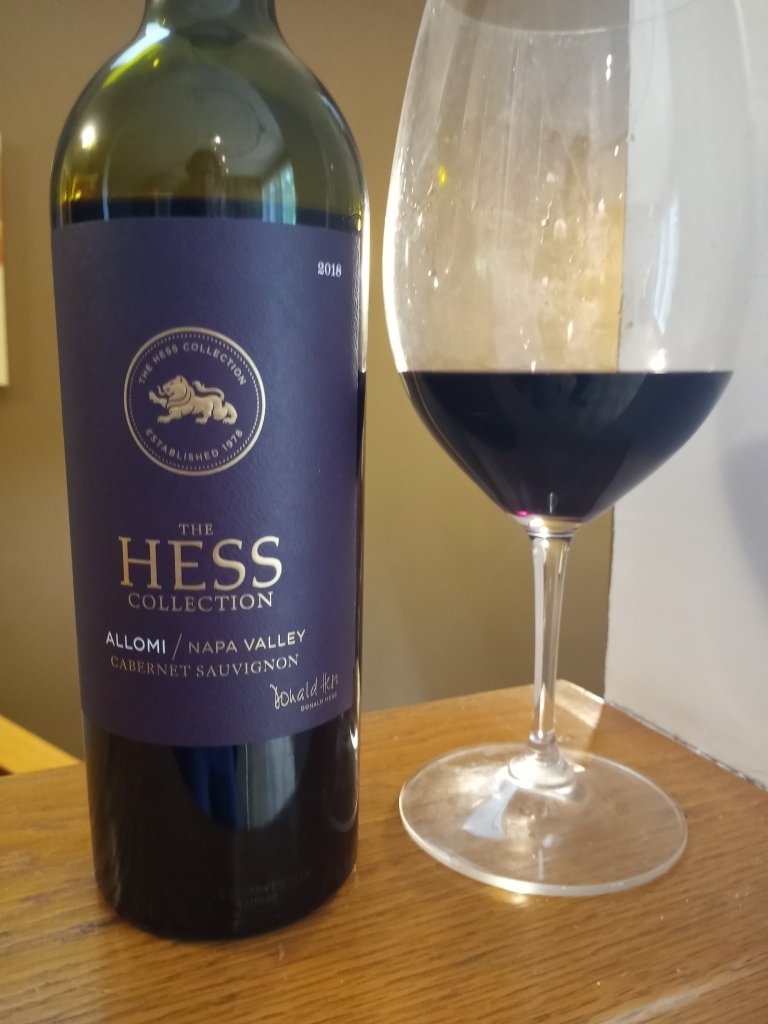
The Hess family originated in Switzerland but it was Donald Hess who came to California in the early 197o’s and fell in love with Napa and more specifically Mt. Veeder. He defied ‘conventional wisdom’ and established a winery (and an art gallery) above the valley floor and is now run by Fifth Generation Tim and Sabrina with Dave Guffy heading the winemaking team to create a range of wines of both excellence and value.
The grapes for this wine are sourced from their Estate Vineyards in the gentle rolling hills of Pope Valley, just east of Mt. Veeder from 6 different clones to produce something special, but more importantly a wine that is a pleasure to drink. This pretty much ticks all the boxes: elegance and finesse, enticing nose of plum, dark fruits and spices, plush velvety mouthfeel displaying layers of blackberries, plums, dark cherries with just a hint of red current, vanilla and spices to round things out with great length on the finish. This vintage is blended with small amounts of Petite Sirah, Petit Verdot, Merlot and Malbec. Like most of us, if you’re looking for a must drink wine that is designed to impress and born to please with a price tag well below where its drinking, this is it.
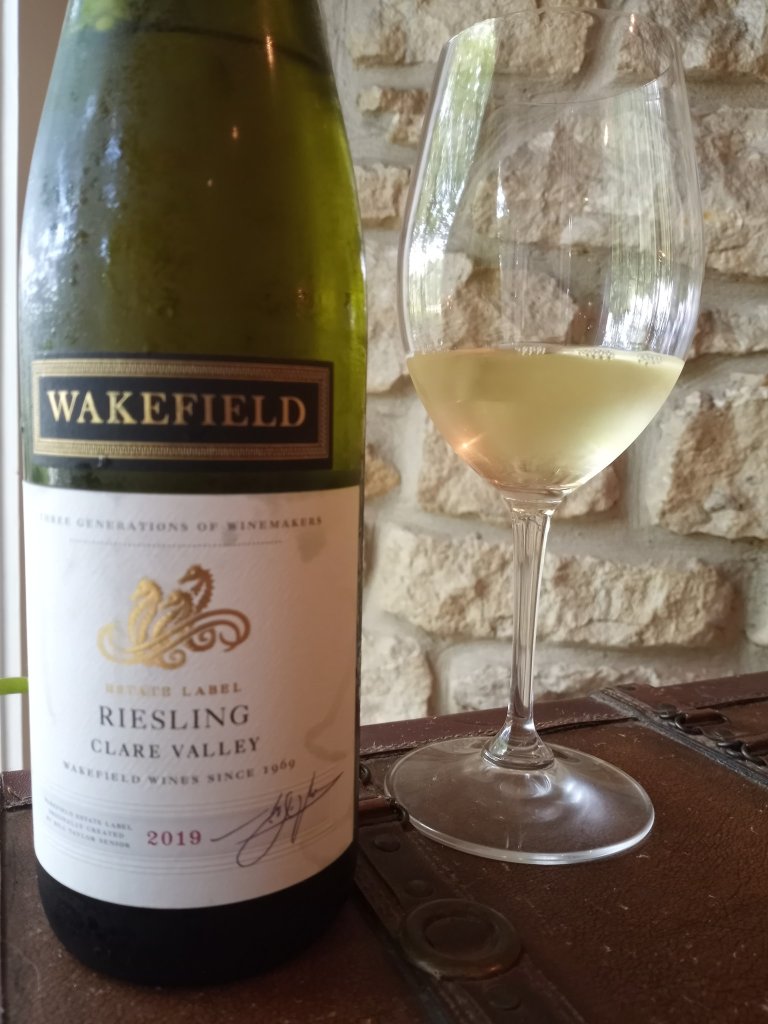
Is actually Taylors Winery originally established in 1969 by Bill Taylor who was a Pub owner and Wine Merchant in Sydney who sold what could have been the first ‘private label’ in Australia- Chateau Clare. Their association with the Clare Valley Co-operative to produce the Chateau Clare wine dates back to the 1950’s exhibiting great insight to the potential of the region before it was ‘known’ despite having a history dating back to the 1860’s. Today the winery and wine making responsibilities lay squarely with third generation Mitchell Taylor (along with his three brothers) who continues his father and grandfather’s vision and respect for the land, the soil and the grapes.
A Note About the Region.
Both the region and the winery have a reputation for making elegant restrained wines that will cellar out decades helped along with a perfect Mediterranean climate and ideal soil and rainfall. Riesling and later Shiraz and Cabernet were the early stars but plantings of Malbec, Pinot Grigio Chardonnay, Semillion, Sauvignon Blanc, Pinot Noir, Tempranillo and Grenache have been making their presence known over the past 20 years or so. The region sits between 1,300 and 1,600 feet in altitude with warm days and cool nights. Looking over the region with vineyards spread across the landscape, it’s hard to believe it was ocean bed in the distant past. When I first visited South Australia in 1986 my host asked me first morning there what would you like to do and I responded immediately ‘Clare Valley to taste some wine’.
Re vintages, Clare Valley has had 5 consecutive vintages of great to excellent quality starting with 2015 through 2019 covering all three wines today.
Clare Valley Riesling 2019
The nose on this wine is enticing with layers of citrus, white stone fruits, field flowers and just a hint of petrol, makes you want to jump right in and take a sip. Mouthfeel is crisp and clean with a mouthwatering freshness. Layers of lemon and lime with honeyed pear, orange rind and ginger all go together beautifully to impress, with great acidity and balance. It’s obvious they have pulled out all stops for the 50th Anniversary release with excellent results. Pair this with shellfish, seafood and Asian chicken dishes with no disappointment in sight. Great wine and given their impressive track record this will cellar this out till 2030.
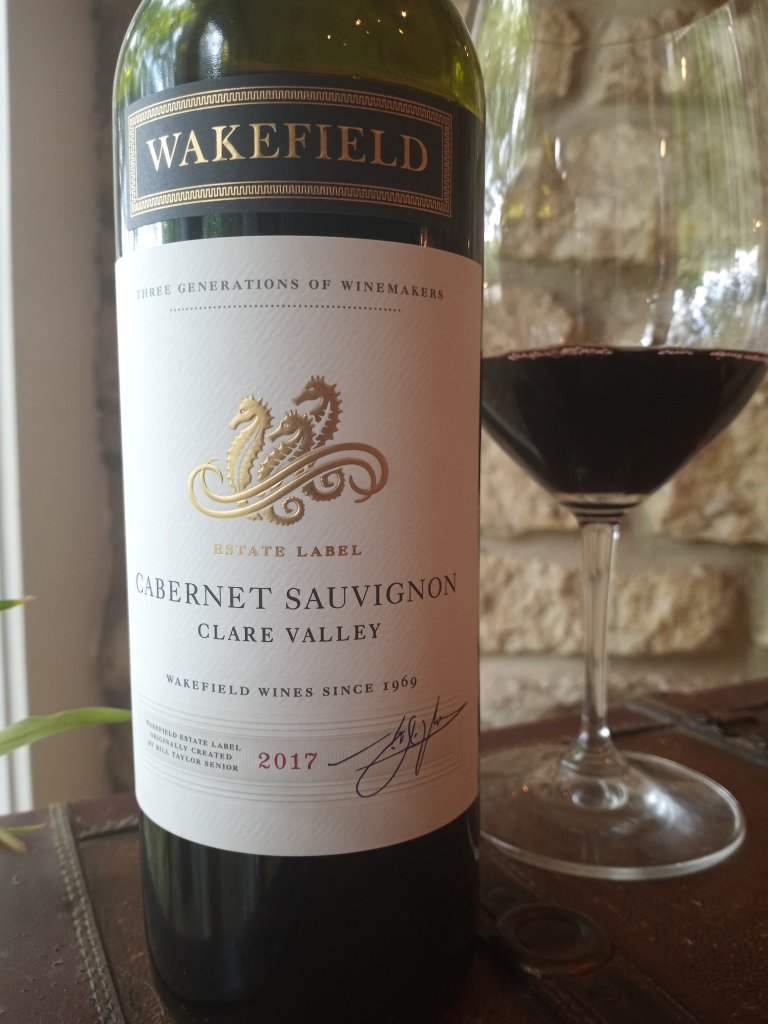
Clare Valley Cabernet 2017
This has all the hall marks of a Barossa Cabernet with a wonderful Clare Valley twist with some altitude, elegance and finesse thrown in. This is great drinking at Tuesday night prices- definitely over delivers. The nose is all dark fruits with a hint of spices but the palate reveals far more. Thick rich layers of blackberries, blueberries and plums with secondary notes of spices, cedar, vanilla and sweet tobacco (reminiscent of northern Barossa, about 10 miles to the west) Very approachable and far too easy to drink. Pair this with any red meat from the grill and hamburgers all day long!! Cellar to 2026 with confidence.
92 pt- Natalie Maclean.
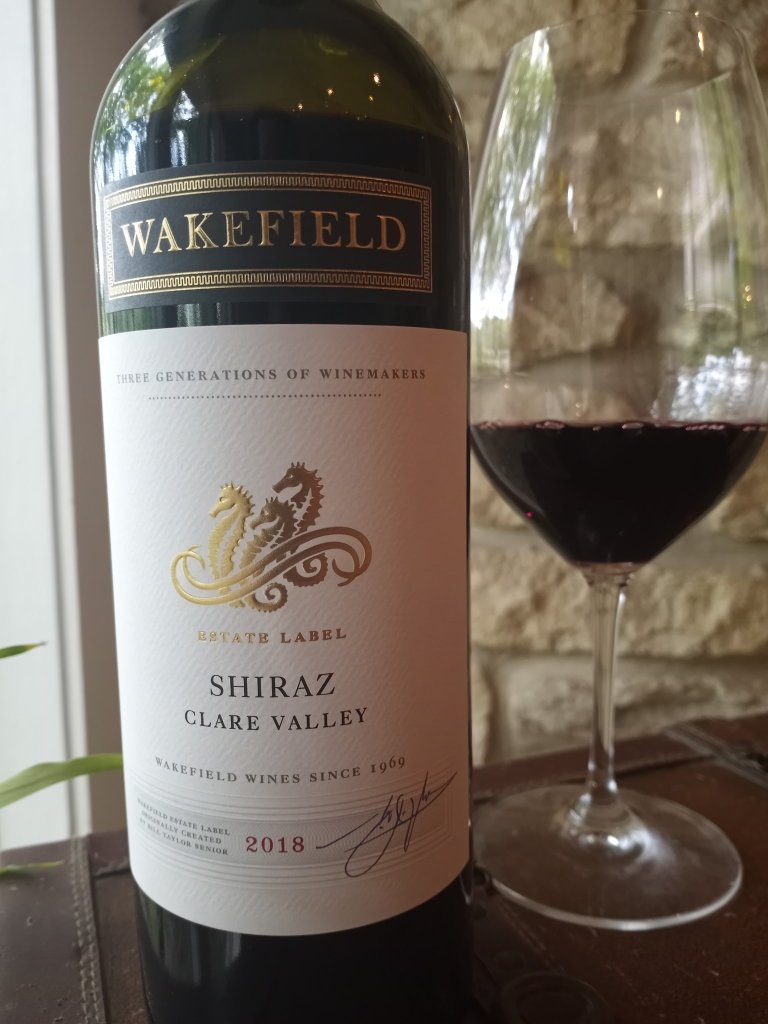
Clare Valley Shiraz 2018
All Barossa Shiraz on the nose and again, with that typical restraint and elegance that comes with some altitude and a cooler climate. From the outset, this is an impressive Shiraz that quite blatantly over delivers. Enticing nose and a palate that welcomes you like an old friend. Wonderful soft mouthfeel, with layers of dark fruits, ripe plums, with just a smattering of red fruits, white pepper, dark chocolate, mint and just a hint of sweetness. Cellar to 2026 with confidence.
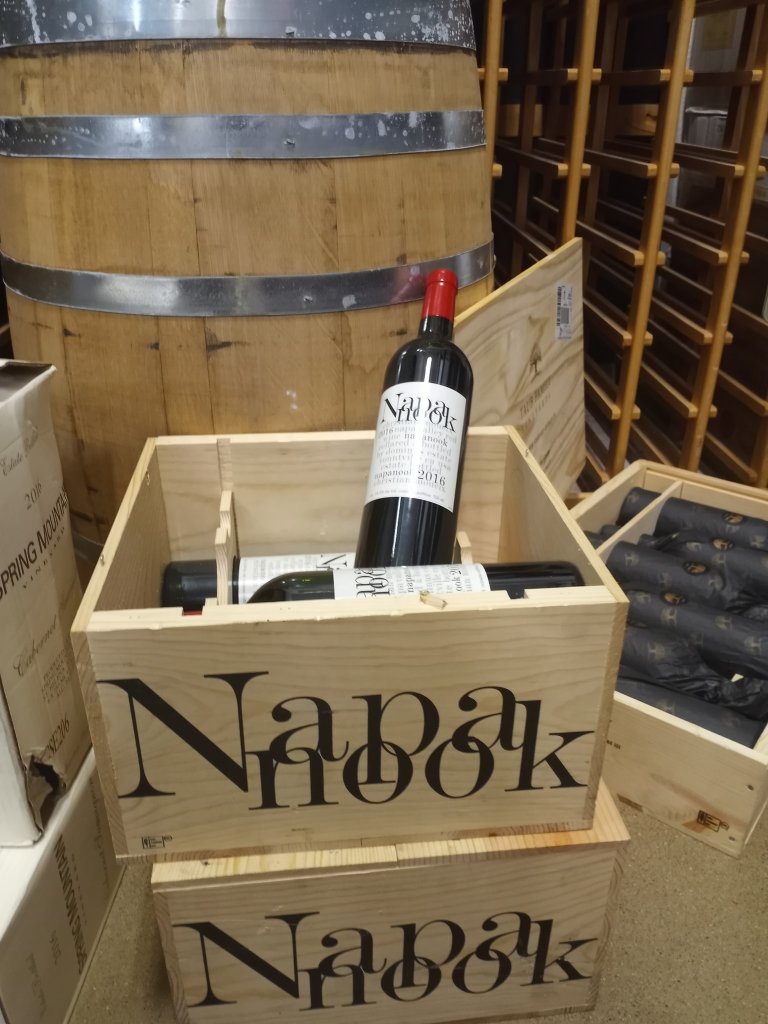
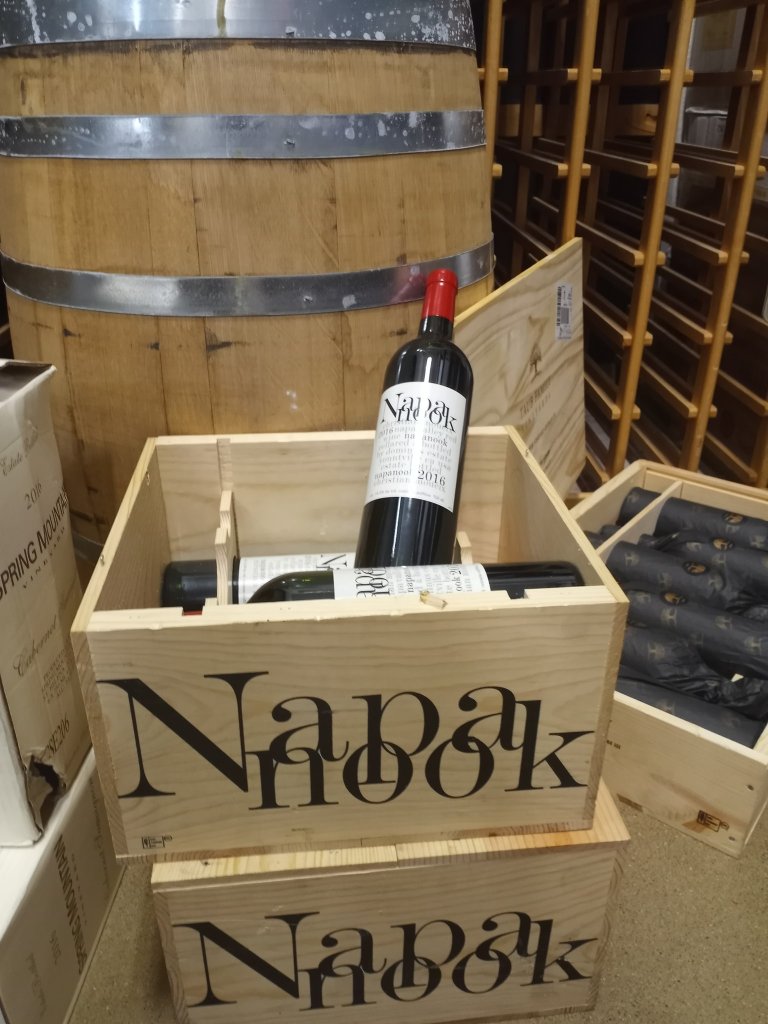
The name may not ring any bells for the uninitiated but this wonderful Red Blend is the ‘second’ wine from none other than Dominus Vineyards. A winery long considered by many to be one of the finest in Napa, the vineyard was the basis for a partnership in 1981 and eventually purchased outright by Christian Moueix in 1995. If you are unfamiliar with his name, he grew up learning the wine business in the family wineries in Bordeaux including Chateau Petrus. This Bordeaux blend comprises 84% Cabernet Sauvignon, 9% Petit Verdot and 7% Cabernet Franc and is everything you would expect it to be and more.
The alluring nose of violets, lavender and dark fruits will draw you in to want to take a sip immediately but savor the moment. The mouthfeel is smooth and inviting with seamless layers of blackberry jam, dark raspberries, plums, chocolate, spices and oak with a long finish revealing just how much depth, complexity and elegance it takes to make such an impressive wine. If you don’t want to shell out $200 plus for their flagship wine but still curious about just how good it is, a bottle of Napanook at a fraction of the price will be an excellent alternative. This really is a wonderful wine and a must drink wine at least once in your life. Will cellar out to 2035.
The family’s Italian roots are evident in the style of all the wines but they are most definitely new world and most definitely Margaret River. This is the oldest family-owned Winery in the Margaret River region with 5 different vineyard sites mostly situated in the South Western part of Margaret River.
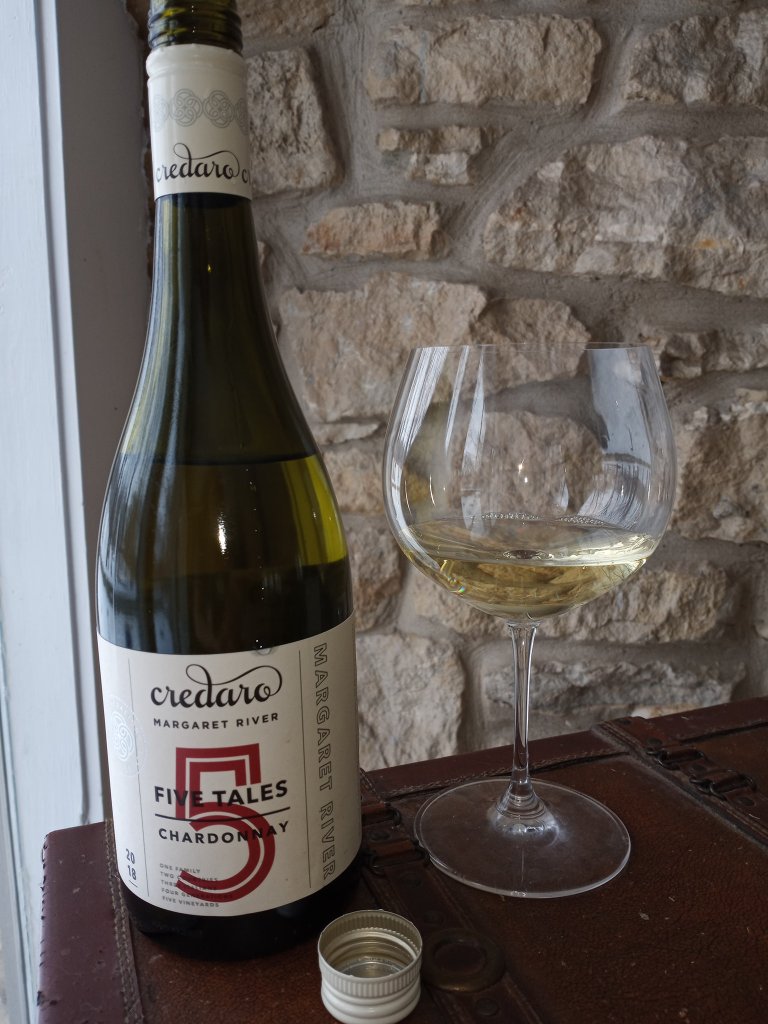
5 Tales Chardonnay 2018
Enticing nose with layers of apples, orange and lemons tightly intertwined with white stone fruits rounding things out.
The palate is bright and lively with apples, pears and citrus dominating with notes of white stone fruits and vanilla on a creamy texture and a long finish. Different from some of the other Margaret River Chard’s I’ve tasted but still Margaret River and still delicious. Really easy drinking Chardonnay at a great price. Will cellar out to 2025 with ease.
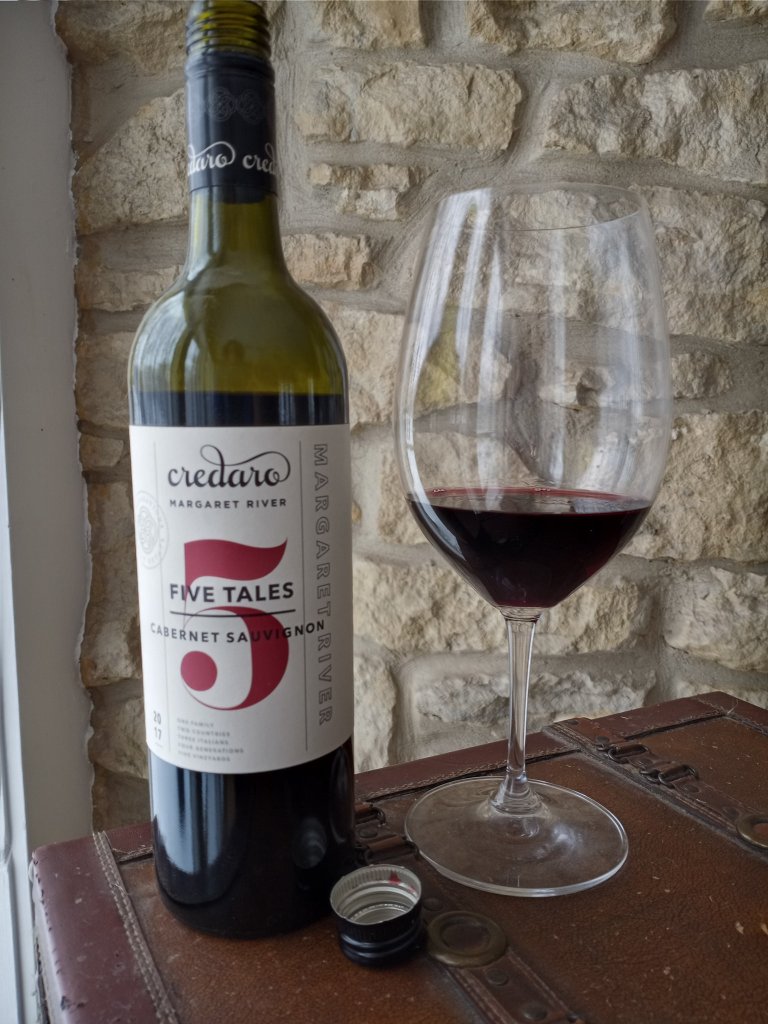
5 Tales Cabernet 2017
The nose is all red fruits and gives you ample reason to take a sip. The palate is where it gets interesting. Impressive layers of raspberries, black current, chocolate and cherry dominate leaving little room for the vanilla, spices and oaky notes to shine through. Great drinking Cabernet at a great price. Will cellar out to 2024 without a problem but great drinking now with 30 – 60 minutes decanting. A must for your next cook-out or B-B-Q’s as we call it in Australia.
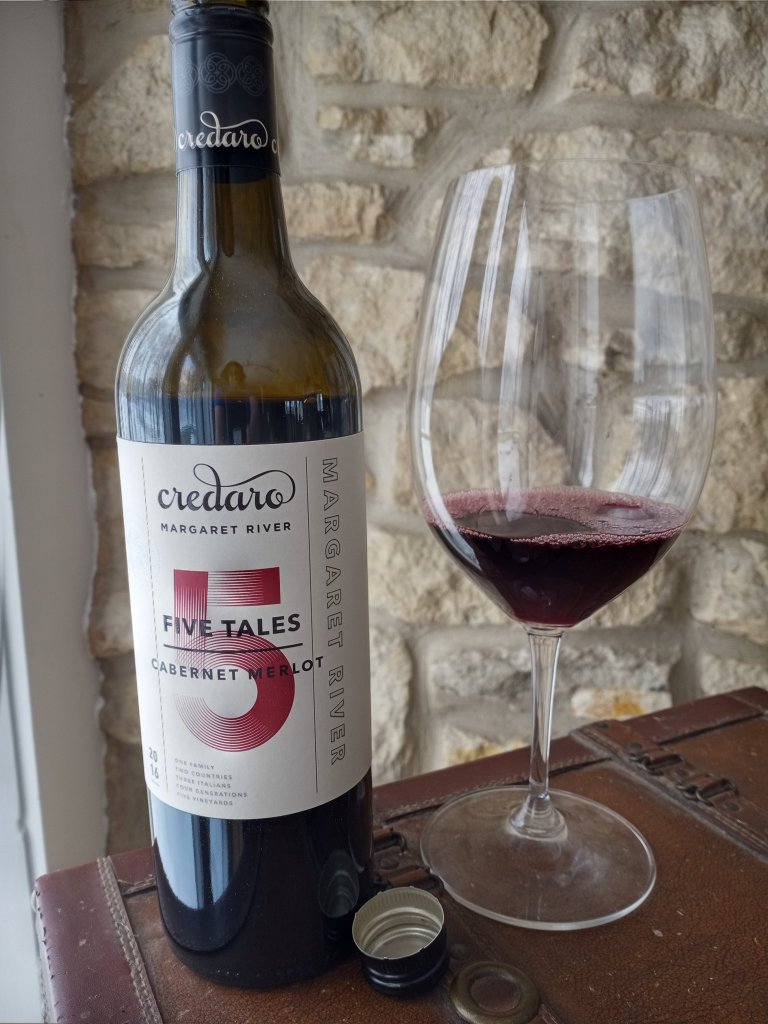
5 Tales Cabernet Merlot 2016
The nose is all red fruits with spices and an interesting vegetal note that (almost) conflicts with its bright fruity nature.
This medium bodied blend of 60% Cabernet and 40% Merlot defies it’s under $20 price point- soft, approachable and very easy to drink and is perfect for drinking coming into the warmer months. Soft tannins, nice body and structure with loads of cherries, raspberries, red current with plums, spices and vanilla underpinning the whole experience. Nice balance with a long finish. Far too easy to drink and great value. Will cellar out to 2024 without a problem.
The name may not ring any bells for the uninitiated but this wonderful Red Blend is the ‘second’ wine from none other than Dominus Vineyards. A winery long considered by many to be one of the finest in Napa, the vineyard was the basis for a partnership in 1981 and eventually purchased outright by Christian Moueix in 1995. If you are unfamiliar with his name, he grew up learning the wine business in the family wineries in Bordeaux including Chateau Petrus. This Bordeaux blend comprises 84% Cabernet Sauvignon, 9% Petit Verdot and 7% Cabernet Franc and is everything you would expect it to be and more.
The alluring nose of violets, lavender and dark fruits will draw you in to want to take a sip immediately but savor the moment. The mouthfeel is smooth and inviting with seamless layers of blackberry jam, dark raspberries, plums, chocolate, spices and oak with a long finish revealing just how much depth, complexity and elegance it takes to make such an impressive wine. If you don’t want to shell out $300 plus for their flagship wine but still curious about just how good it is, a bottle of Napanook at a quarter of the price will be an excellent alternative. This really is a wonderful wine and a must drink wine at least once in your life. Will cellar out to 2035 with ease.
This blend of 61% Grenache, 28% Mataro (Mourvedre) and 11% Shiraz has Barossa stamped all over it whilst, at the same time inspired by the wines of Frances Cote du Rhone region. More commonly referred to as a GMS this medium bodied wine is sourced from 40–150-year-old vines from various vineyards in and around Barossa. Despite seeing no oak, this wine has impressive body and structure and is way too easy to drink and over delivers to the last drop.
From its aromas dominated by red fruits, blackberries and spices to the silky-smooth palate of mouthfuls of cherries, rhubarb, strawberries, tangerine peel, a potpourri of cooking herbs and spices with just a hint of blueberries to round things out. This really is a delight to drink from start to finish with enough finesse and appeal to keep any wine drinker satisfied. Give it an hour decanting and it will drink even better. Cellar to 2025.
This exceptional Shiraz is sourced from some of the very best parcels from Barossa.
The nose is both enticing and complex with layers of blackberries, licorice and spices with just a hint of floral, all working together to raise your level of anticipation.
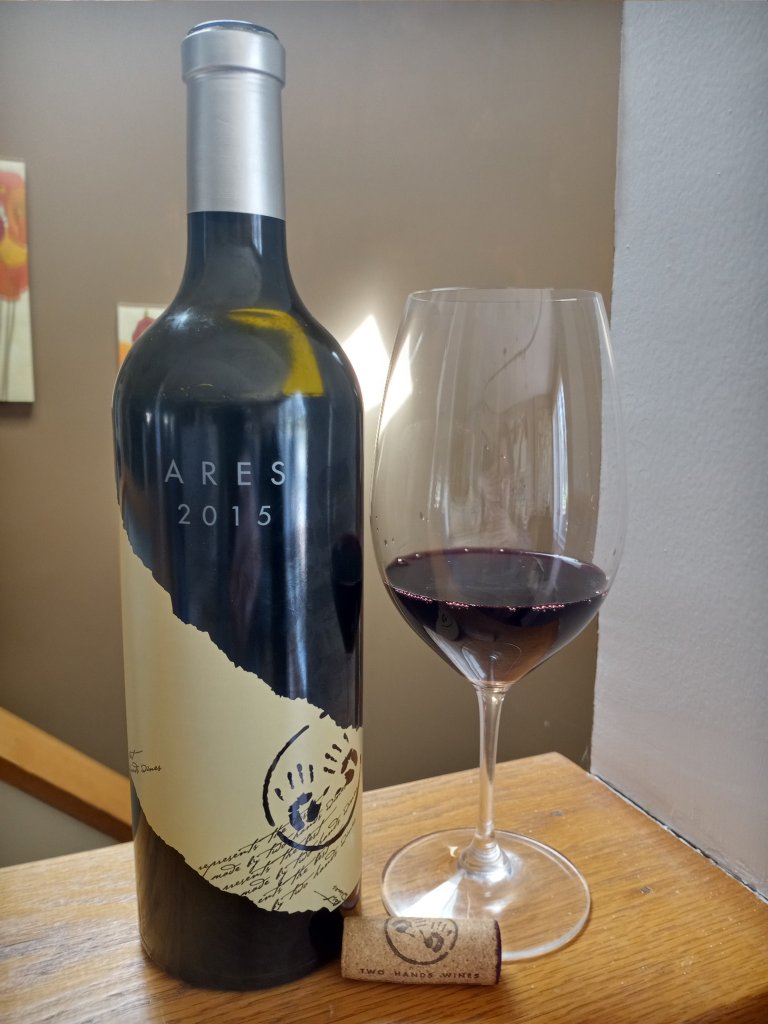
Big, bold and expansive on the palate yet smooth and approachable without sacrificing any depth and complexity- quite the opposite in fact. Mouthfuls of delicious blackberries, dark raspberries and spices combine to create a lasting impression of elegance and finesse with serious balance and a style that only Michael Twelftree (winemaker) and exceptional parcels of Barossa Shiraz can produce. Its no surprise this wine is named after the Greek God of War given its size and attitude but don’t take my word for it, try it!
Pairing: Red meats in any dish from NY strips to Italian dishes with bold tomato sauces. Just make sure you drink this in a Riedel Shiraz glass and if you don’t have any, spoil yourself and do this wine justice.



 Vine to Table