Yes, you read correctly, Baron de Rothschild (Lafite) Chateau in Bordeaux purchased these vineyards in 1988 and introduced Centuries old wine making experience into Chile. The name ‘Los Vascos’ comes from “Les Basques” and refers to the origins of the former owners who planted the first vines in around 1750 in Bordeaux. They are also the first French Wine Producers to expand into Chile.
The vineyards have exceptional soil and their close proximity to the coast (about 25 miles) and the terroir to potentially produce some exceptional wines, no doubt having an influence on the decision to acquire the property. They produce four excellent wines that over deliver at their price points.
This Grande Reserva Carmenére is another one of their ‘entry level’ wines but is anything but entry level scoring 90 pt plus over several vintages.
This is one of the best Carmenére I’ve tried and most definitely the best in the under $40 price point. Interesting notes of blackberries, red fruits and plums feature on this enticing nose. The palate is dominated by dark cherry with a hint of plum, smokey notes and spices with subtly earthy and dark chocolate notes finishing things off. Should be enjoyed young so I would drink this over the next five years. Will pair well with Chicken and lighter red meat dishes as well as Pasta and Pizza.
November 24th is International Carmenére Day and is the day designated in Chile to celebrate their most popular wine. Originating in Medoc in the Bordeaux region in France and was transplanted to its new adopted home sometime around 1850 or so, certainly before Phylloxera swept across Europe in 1867 destroying the vineyards.
For many years it was mistakenly identified as Merlot and and was thought to be extinct until it was ‘rediscovered’ in 1994 by French ampelographist (the field of botany that identifies and classifies grapevines) Jean Boursiquot. It was also one of the original 6 varietals grown in Bordeaux but it almost impossible to find any in France today. Good news is, it is flourishing and hugely popular in Chile- I know, I was fortunate enough to drink several when I was in Chile 20 plus years ago.
All research indicates that Carmenére is the ‘birth child’ of Cabernet Franc and Trousseau- also known as Trousseau Noir, Bastardo and Merenzao and can be traced back to Eastern Europe. It is currently grown in Portugal and used in Port production.
There is another school of thought that it’s a result of crossing Cabernet Franc and Gros Cabernet, a varietal thought to originate from Basque Country. At some point in the future this will all become clear, for the time being though, drink and enjoy this amazing wine from its adopted country and new found home, Chile.
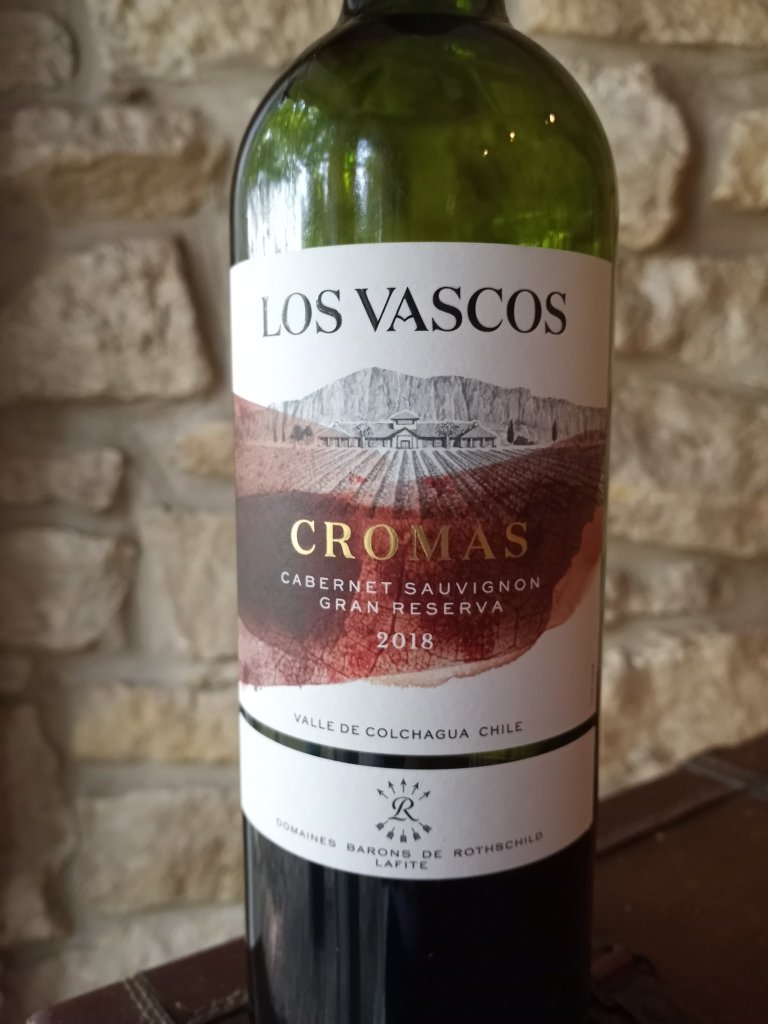
Yes, you read correctly, Baron de Rothschild (Lafite) Chateau in Bordeaux purchased these vineyards in 1988 and introduced Centuries old wine making experience into Chile. The name ‘Los Vascos’ comes from “Les Basques” and refers to the origins of the former owners who planted the first vines in around 1750 in Bordeaux. They are also the first French Wine Producers to expand into Chile.
The vineyards have exceptional soil and their close proximity to the coast (about 25 miles) has the terroir to potentially produce some exceptional wines, no doubt having an influence on the decision to acquire the property. They produce four excellent wines that over deliver at their price points.
This Grande Reserva Cabernet Sauvignon is one of their ‘entry level’ wines but is anything but entry level scoring 90 pt plus over several vintages.
This is predominately Cabernet- 85% with 10% Syrah and 5% Carménére sourced from some of the best vines in the Colchagua Valley. An enticing nose of red fruits and floral notes underpinned by subtle spice notes. Palate is friendly and approachable with a silky mouthfeel and nice structure. Mouthfuls of red and blue berries dominate with secondary notes of cooking spices and a savory finish with just a hint of sweetness on a respectable finish. There is potential in this wine for future vintages. Keep an eye on this one.
Keep an eye out for a review of their exceptional Carménère.
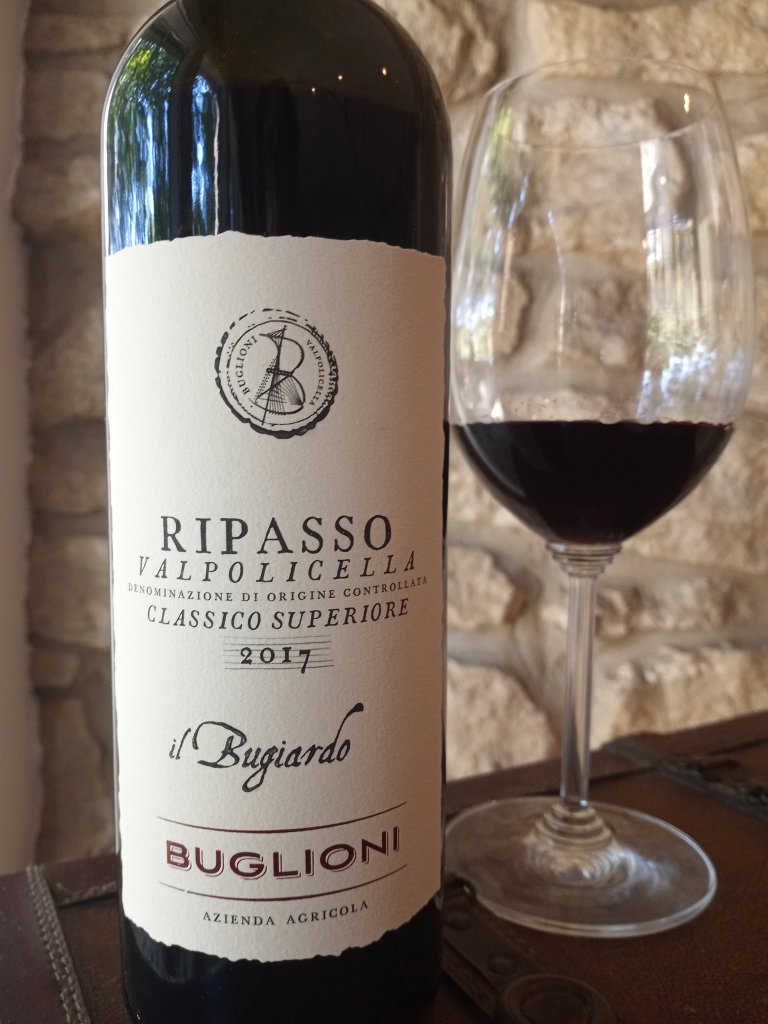
In 1993 Alfredo Buglioni bought the old farmhouse of his dreams situated in the heart of Valpolicella along with 4 acres of vines- all classic local red varietals including Corvina, Corvinone, Molinara and Rondinella. Fast forward to 2000, Alfredo, his son Mariano and with the help of an outside consultant made their first vintage- 12,000 bottles with their first Amarone coming later in 2004 with the assistance of oenologist Diego Bertoni.
Their first hurdle they faced was they were the ‘new kids on the block’ and no one took them seriously which jeopardized any chances of exposure or sales and ultimately survival. The solution was to convert a family boutique in Verona into a wine bar which became a hit and a launching pad for their wines.
Today, they produce 9 wines from 54 acres selling 280,000 bottles under their own label and about half of their grapes to famous more well-known wineries. They have also opened a more upscale sister restaurant, Piscaria, in the center of Verona.
The term Ripasso means to re-pass or pass over a second time: meaning passing the juice of the grapes used over Amarone skins extracting more depth and complexity and Amarone like characteristics. What your really getting is a baby Amarone (usually above $60) for about a third of the price.
This Ripasso comprises 60% corvina, 20% corvinone, 10% rondinella, 5% croatina, 5% oseleta and is a wonderful example of what this wine should be. The nose displays note of rich red fruits whilst the palate highlights layers of cherries, red raspberries and plums with secondary notes of spices with a inviting velvety mouthfeel and a long finish. As with all Italian wines, this should be decanted for about an hour and of course enjoyed with a pasta dish with a rich tomato-based sauce or pizza with your favorite toppings.
Every wonder when your planning a dinner party, who the perfect couple is to invite, I’m suggesting these might be the one’s.
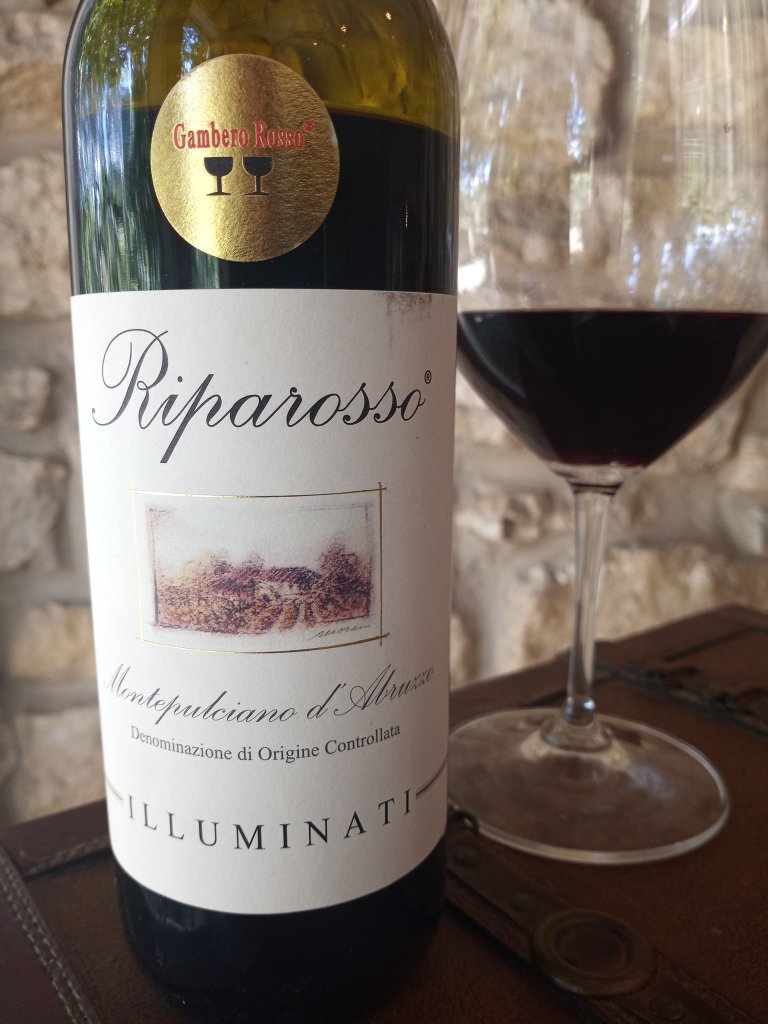
Illuminati Riparosso- Montepulciano d Abruzzo 2018
Nicola Illuminati started the Winery in 1890 and has been in the family ever since making wine for 130 years. I guess that means they have it down- one sip of this wine and you’ll agree. This is the very definition of a Monday, Tuesday, Wednesday wine!
This is a bottle to grab and drink without fear or concern of not enjoying it whilst keeping the budget intact. Medium bodied, approachable and way too easy to drink. Nose tempts you with cherries, herbs and red current while the palate pulls you in with layers dark berries, red cherries, red current with interesting notes of floral and tobacco with a smooth mouthfeel that begs you to take another sip. Given the ratings and the price, this is a no brainer!
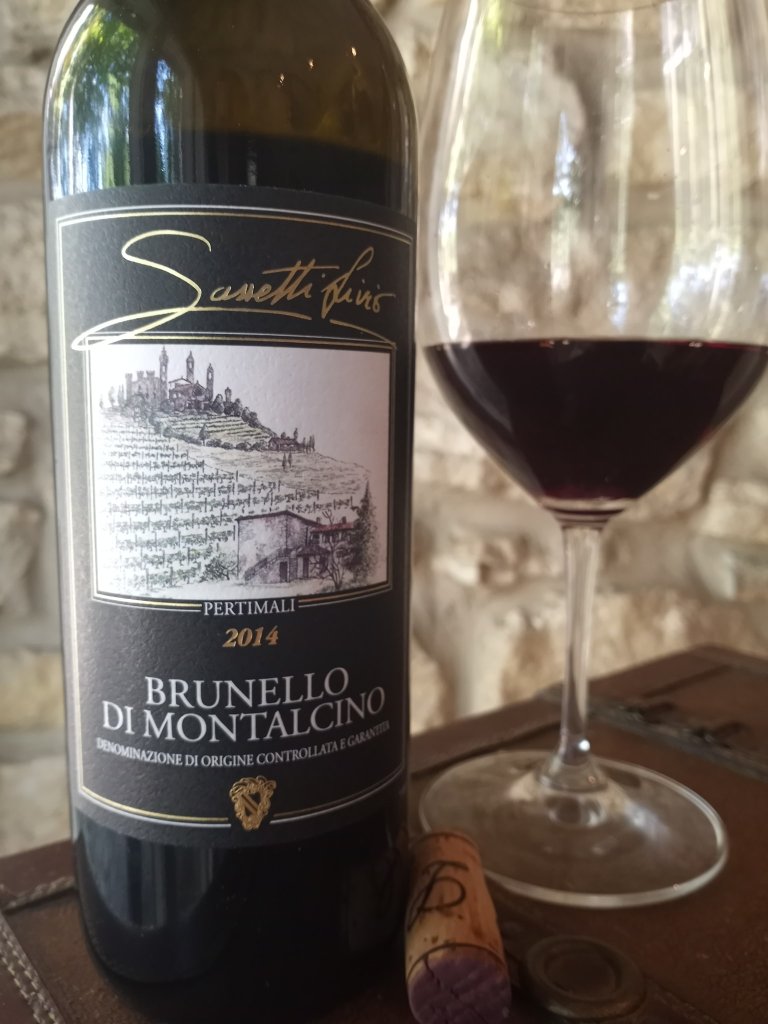
Sassetti Livio- Brunello Di Montalcino 2014
Livio Sassetti established the winery in 1967 and his passion for making Brunello’s led him to be one of the founders the Consorzio (Consortium) del Brunello di Montalcino. The vineyard is situated in the Montosoli area, just north of Montalcino, considered by many to be one of the prettiest hill top villages in not only Tuscany but all of Italy. The vineyard is only 16 hectares and is ideally situated to grow exceptional Sangiovese. The winery is also the home to almost 1,000 bottles of earlier vintages of wines produced by his family, the earliest dating back to 1915. A sanctuary of sorts where history is preserved and traditions are revered.
This vintage shows all the pedigree you would expect from such a long history of winemaking. The 2014 is 100% Sangiovese Grosso and I would suggest some decanting time- and hour should be enough. Nose is enticing with wonderful structure, elegance and finesse evident from the first sip. Drinking beautifully now but could be laid down for another 8-10 years.
Loads of dark cherries and blackberries on the palate with secondary notes of mushrooms, cooking spices and a nice earthy note on a long finish.
The family settles in Barossa in 1888 but it wasn’t until nearly a century later Colin Glaetzer established Glaetzer Winery. Today his son Ben is the winemaker and driving force behind a tight portfolio of only four wines. Ben’s approach of minimal intervention with the belief that great wines are made in the vineyards have resulted in a range of wines that reflect the best of what Barossa does best displaying more elegance and restrained than most Barossa offerings. In his own words, the families been in Barossa from 1888 and that makes us “almost locals”. All the grapes for all their wines are sourced from some of the best and oldest vines in Barossa’s sub region of Ebenezer.
The ‘Wallace’ Shiraz / Grenache 2017
This Delightful blend of 72% Shiraz and 28% Grenache is sourced from 60-year-old vines. The nose is a blend of bright red fruits from the Grenache and spice and dark fruits from the Shiraz. The palate reveals much more as you take your first sip with dark fruits and black pepper and spices anchoring the flavor profile with red raspberries and red currents, Turkish delight and Vanilla acting as a nice neat bow on the palate. The mouthfeel is silky smooth with great length on the finish. Note, I did decanter it for a couple of hours to give it time to open up and reveal its true nature. Cellar out until 2027 without a concern.
The ‘Bishop’ Shiraz 2016
Named after Colins wife’s maiden name, the grapes are sourced from 30- to 100-year-old vines and reflect the elegance and quality you would expect.
One whiff of this wine and you’ll be convinced, this is going to be good, really good. Enticing layers of dark fruits, blueberries and subtle spices will heighten your expectations. One sip and almost seamless layers of blackberries, black raspberries, blueberries with secondary notes of plum and spices, are delivered on a velvety smooth mouthfeel. The depth, complexity and power are evident balanced by restraint and finesse. Subtly sweetness on the mid palate. Delicious from the first sip to the last. Cellar to 2030 without a concern.
The ‘Anaperenna’ Shiraz / Cabernet 2016 $72.00
This is a lovely big rich wine that is velvety smooth and approachable on the palate. The name is derived from the Roman Goddess of new beginnings and has been in production since its initial release in 2004. In Ben’s (winemaker) own words, he took their best Shiraz and the best Cabernet and blended it suspecting it would become his favorite wine, and it is. The 2016 vintage is a blend of 84% Shiraz and 16% Cabernet and is an absolute delight to drink.
Right off the bat the nose is all blueberries, deep and enticing with just a hint of Cab coming through as a herbal note, almost as an afterthought. The palate is dominated by blueberries and ripe
plums with secondary layers of black berries and black current underpinned by spices and subtle black pepper. Wonderful balance and structure and despite the 15.5% alcohol, which is not at all evident, this wine displays elegance and restraint and, as I said before, an absolute delight to drink. Will cellar out to 2036 without a problem. Choose your red meat carefully, this is a big wine. Enjoy.
The history of this family stretches all the way back to the 1950’s when Lewis Gibb Carpenter Jr settles in Saint Helena and planted nuts and fruit crops adding grapes in the mid 1960’s, specifically Cabernet, Cab Franc, Merlot and Sauvignon Blanc. Over the years many well known wineries in the valley such as Louis Martini, Cakebread and Chappellet purchased grapes.
In 2000 Craig Handly, Lewis’s Son in Law started making wine from grapes grown in the family vineyards under several different labels. When Lewis died in 2013 Craig and his wife Susan and his son Spencer joined the family business and Gibbs (Winery) was born. With the family vineyards and a handful of contracts in place already with others growers, the Winery has grown in both size and reputation collection rave reviews and ratings along the way.
They produce several wines, many are highly allocated and many are just down right impossible to get but I’ll get to that later. The following 6 wines came into the State:
Three Clones St Helena Cabernet, 2017.
Diamond Mt District Cabernet, 2015.
St Helena Reserve Cabernet 2014.
Napa Valley Cab Franc 2016.
Napa Valley Dusty Red blend 2017.
Napa Valley Merlot 2013.
I was fortunate to secure the following wines to review.
Let’s start with the bad news first, the grapes for this Merlot came from a contract grower, who decided after the 2015 vintage to replace the vines with Cabernet. The good news is, we secured 9 bottles only of the 2013, the last in existence I dare say and yes, it’s definitely worth drinking.
Nose in intriguing with black cherries and plums dominating with a hint of violets (no doubt from the Petite Verdot added) and green leaf. Really welcoming on the palate with layers of dark cherries and plums with secondary notes of chocolate, cooking spices, tobacco and vanilla. This is 100% all Napa with obvious softer Merlot characteristics evident with some back bone added into the mix from the Petite Verdot making this a red wine drinkers Merlot. Fine Dusty Tannins evident. Cellar out to 2025 with confidence.
Cabernet Franc 2016 – Coombsville
You are immediately struck by the intensity of the violet and dark fruit aromas on the nose. Intoxicating and seductive to say the least, makes you want to take a sip immediately. The palate delivers on the promise and more. Almost seamless layers of blueberries and violets reach every corner of your mouth with plum, red current and spices underpinning your experience. Absolute delight to drink. Great example of an ‘old school’ Napa style Cab Franc with none of the fruit forward juicy sweet notes that have become evident with other New World Cab Franc’s. Cellar out to 2027 with confidence. Absolute delight to drink.
Diamond Mt District Cabernet Sauvignon 2015
This is one of those wines that immediately impresses and with only 120 cases made and on high allocation, I managed to secure 48 bottles only.
Diamond Mt District AVA is situated in the North West section of Napa (Spring Mt District is just south), higher in altitude than most with volcanic soils and a reputation for producing wines of depth and complexity that will age for decades to come. This is a wonderful example of a high elevation Cabernet with all the structure, body and finesse that you’ve come to expect from a wine of this standing. Enough of the praise, let’s talk about what the wine actually tastes like.
The nose is restrained dark and red fruits but equally convincing that this is going to be an experience to remember. The palate has that WOW factor from the first sip. Layers of blackberries, blueberries and chocolate with secondary notes of cooking herbs, spices, coffee and red current stretching out on a long finish. Massive body and structure with tannins evident. Cellar to 2030 with confidence. Stunning wine, cannot wait to drink it in about 10 years. Pair with any rich meat dish of size and attitude.
We’ve all had a challenging 18 months and I think it’s time for a little R&R, Italian style, so pick your favorite chair and open one of these beauties and enjoy the day go by.
Despite coming from different, but equally great producers, both these wines come from the Piedmont Region in North Western Italy. A region known for producing some of Italy’s best wines with depth, complexity and finesse with great aging potentials. As with all great Italian reds, they are made to drink with food.
Both wines are produced from the Nebbiolo grape and only about 10 miles apart. This is where the similarities stop. The main difference is the level of tannins with the Barbaresco being considered the feminine side and Barolo the masculine side of the varietal. Barbaresco production is about a third of Barolo and they don’t age as well.
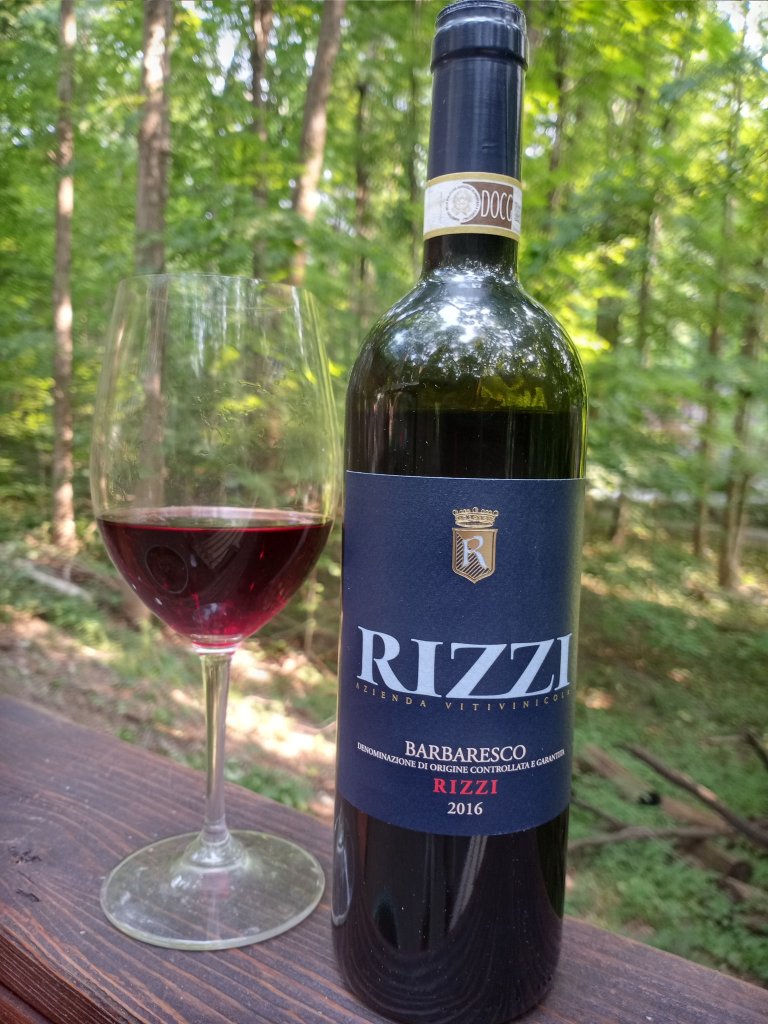
Rizzi Barbaresco 2016
The nose showcases enticing layers of red fruits, herbs and floral notes. One sip and you’ll get a sense of wonderful balance, soft inviting mouthfeel with elegance wrapped in cherries, pomegranate and blueberries with secondary notes of mint, herbs and anise with a delicate sweetness that drives you to pour yourself another glass. This is the perfect wine for a little R&R. Cellar out to 2028 with confidence. Pair this with lighter Italian fare such as wild poultry, pheasant and duck, or red meat dishes such as beef, game and lamb, veal, rabbit, wild boar and deer stews. Love this wine with Chicken.
93 pt- Wine Advocate & Wine Enthusiast.
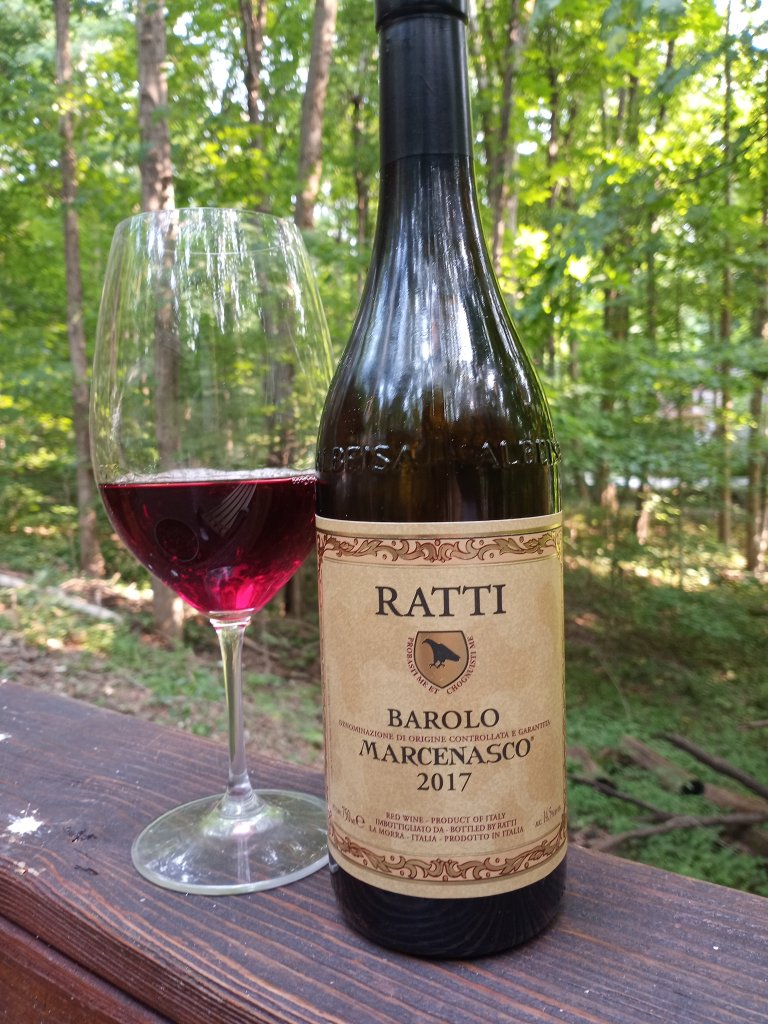
Ratti Marcensaco Barolo 2017
Keep in mind this is a bigger bolder version of a Barbaresco and should be approached as such. Delightful notes of red fruits and spices with the addition of cranberries, oak and rosemary leaves. The palate soft and approachable with tannins evident. Delightful layers of cherries, cranberries, strawberries and rosewater notes. Absolute delight to drink with excellent body, structure and a long finish. Cellar to 2030 and beyond. Pair this with rich beef, veal and fillet steak and a chocolate dish for dessert.
The Hamilton family first planted vines in 1837 less than a year after Sth. Australia was established. Hugh, current 5th generation winemaker is most definitely the Black Sheep and Larrikin in the family history. With wine names like The Rascal, The Scallywag, The Ratbag and The Villain you don’t have a case to stand on to disagree. The wines reflect his attitude and are anything but boring displaying elegance and flavor with depth and complexity across the board.
He believes your as only as good as your last vintage and to that end strives to make the best, most unique wines that are exceedingly drinkable and display that old Australian concept of ‘mor-ish’ meaning you will always come back for more! Hugh’s legacy is being carried on by his daughter Mary, 6th Generation winemaker and first woman to take over the reins in the family’s long history.
The ‘Rascal’ Shiraz 2017
This is a product of that great pairing: Shiraz and McLaren Vale. Bold and full of flavor balanced with elegance and restraint that only McLaren Vale does best.
Nose displays delightful layers of blueberries and dark fruits with notes of violets and a promise of things to come. The palate is all blueberries, blackberries and plum with secondary flavors of black tea, spices and a subtle sweet vanilla on a long finish. Great Shiraz. Cellar to 2025.
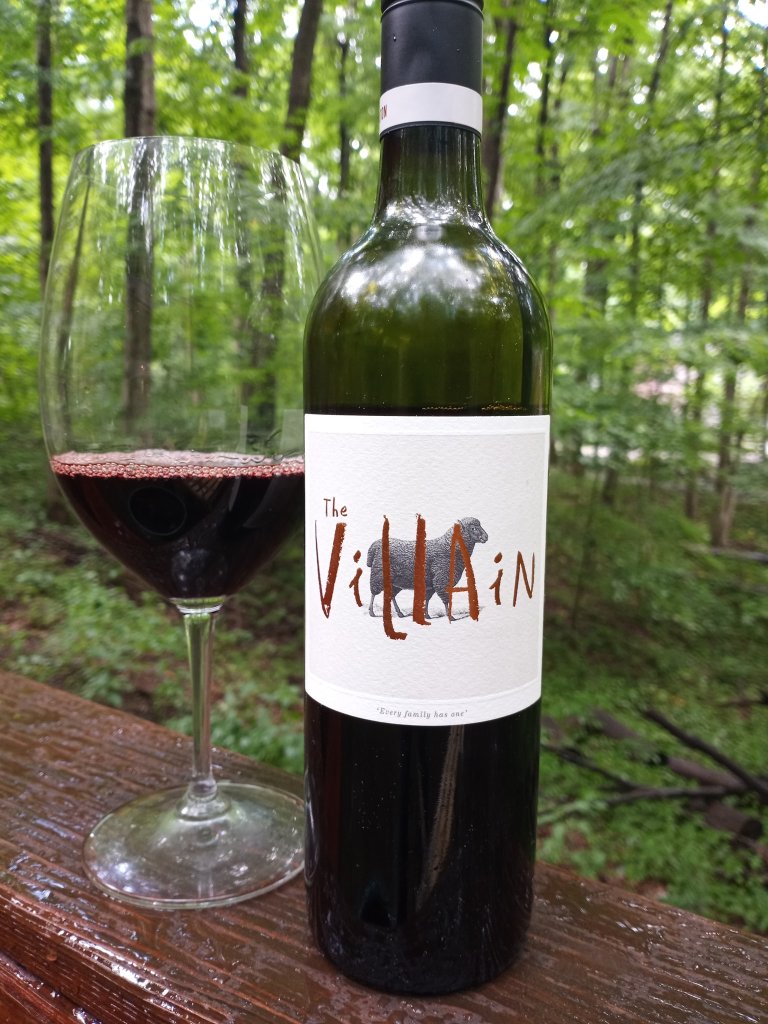
The ‘Villain’ Cabernet 2017
I wouldn’t normally recommend consorting with a villain but with this, I’m willing to make an exception. The pleasure is worth the risk.
Nose is welcoming with layers of ripe raspberries, delightful floral notes and subtle spices leading you on. The palate is all raspberries with secondary notes of cassis, cranberries and spices revealing deceptive depth and complexity. Elegant and silky on the mouthfeel and a pleasure to pour for friends. The medium body allows this Cabernet to pair well with Roast Pork, Pork Chops, Beef Steak or a favorite Tuscany Dish, Devil’s Chicken. Cellar to 2025.
‘Black Ops’ Shiraz / Saperavi Blend 2019
This is a blend of 60 % Shiraz and 40% Saperavi blend and if you’re not familiar with the last grape, don’t be concerned, most of us aren’t. Saperavi origins trace back to Georgia (Eastern Europe) and is grown in several adjacent countries including Russia and of course in Australia. Not having tasted it on its own I can’t tell you definitively what its like. It is able to handle cooler climates but it most definitely needs a warmer climate to bring out the best in the grape.
Grapes for this wine are sourced from their own estate in McLaren Vale, a region known for elegance and restraint. There’s a unique rustic earthy note on the nose complimenting the dark fruits from the Shiraz. Definitely makes you want to explore further.
Soft silky mouthfeel greets you before you discover rich layers of blackberries, dark raspberries, plums and spices. This is a big rich wine with loads of depth and complexity that will demand a rich beef or strip Sirloin dish to match its size. My guess is this will cellar out to 2030 without a problem.
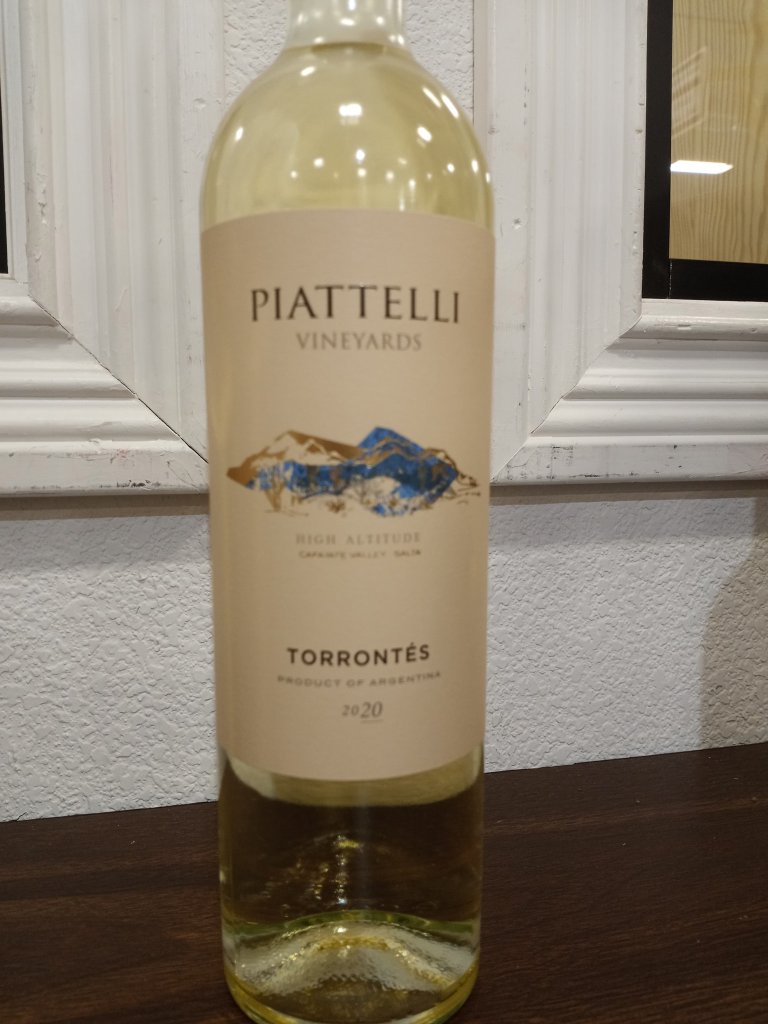
Piattelli Torrontes 2020- ‘one of the nicest Torrontes I’ve tasted’
This is a beautiful high-altitude wine with impressive structure and elegance. Sourced from their vineyards in Cafayate ‘The Beautiful’ is renowned for its natural beauty is also one of the highest regions suitable for growing grapes in the world, situated at 5,600 feet. It is this high altitude is what defines the terrior and the quality of this wine. The nose on this wine is delightfully aromatic and gives you the distinct impression this is a beautifully balanced, mouthwatering wine that will fit in to any get together you plan this summer. One sip and all that was promised on the nose comes to life.
Clean and crisp as one would expect with wonderful balance and finesse and a palate loaded with pineapple, lime, peach, pear with just a hint of lychee on a long satisfying finish. With just a hint of perceived sweetness this will pair well with Indian curries, Thai Chicken dishes and of course salmon, tuna or chicken salads.
Piattelli Grand Reserve Cabernet 2018- A delight to drink.
Situated high in the Uco Valley just below 4,000 feet, their Tupungato vineyards produce some of the best Cabernet grapes in Argentina which are used in this Grand Reserve Cabernet and one sip will convince you this is a wonderful wine worthy of attention. The enticing nose features dark berries, cassis and floral notes tumbling from the glass is imparting an almost sense of urgency to take a sip. The ‘Grand Reserve’ tag is deserved but the price begs to differ which really means this wine over delivers. One sip and you’ll agree this is definitely worth drinking displaying smooth approachable mouthfeel with layers of black berries, blueberries, chocolate, vanilla with an almost
Shiraz like black pepper and cooking spice on the finish. Loads of depth and complexity and will pair with almost any red meat dish. This is a delight to drink and you’ll love it more once you see the price.
These are just two of the amazing wines these guys make, keep an eye out for them- all of them are worth drinking.







 Vine to Table